Ethics Vs Morals: How Internal Conflicts Impact Your Mental Health

Ethics Vs Morals: How Internal Conflicts Impact Your Mental Health
Last updated: May 18, 2026 | Written & Reviewed by OCP Team

Imagine a situation in which your boss asks you to perform a task that contradicts your personal values but does not violate company policy. This scenario exemplifies the internal conflict that can arise when organizational ethics differ from individual morals. These conflicts serve as a basis for understanding the impact of ethical and moral dilemmas on mental health.

Ethics and morals are two common terms that are often used interchangeably, but have distinct meanings and implications. Ethics are the beliefs of the external community, such as rules or professional norms. Whereas morals are the personal beliefs that can be defined as a sense of right and wrong. However, there are no similarities, but the ethical beliefs of the community influence the sense of morality.

Most of us encounter situations that require us to make decisions based on right and wrong.  This is the combination of ethics and morals. 

Understanding the difference between ethics and morals is crucial for managing personal and professional relationships. 

In this blog, you will get to know the difference between ethics and morals, its importances, and how it affects mental well-being. 

What are Ethics?

Ethics are the rules and principles that help us distinguish between right and wrong. These are associated with every part of life, whether professional regulations, societal standards, or religious principles. 
ethics

Basically, ethics are primarily related to laws and regulations in the community. It can vary culturally more than morals do. However, most people think that ethics and morals are similar things, but have distinct meanings and concepts. 

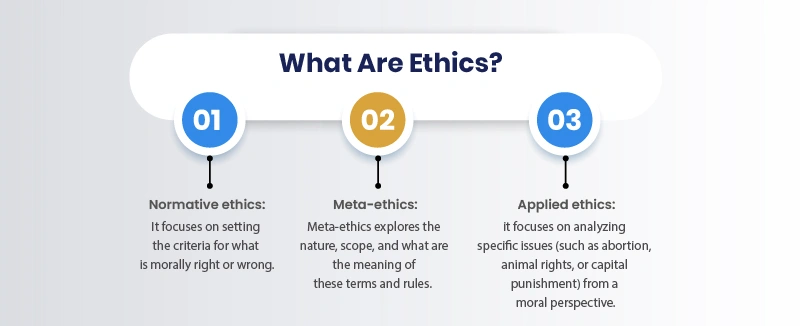
It is classified into several branches, which include:

Normative ethics: It focuses on setting the criteria for what is morally right or wrong.

Meta-ethics: Meta-ethics explores the nature, scope, and what are the meaning of these terms and rules.  

Applied ethics: it focuses on analyzing specific issues (such as abortion, animal rights, or capital punishment) from a moral perspective.

What are Morals?

Morals are personal beliefs and values. It is about the personal behavior of what is right and wrong. It can be changed from time to time, and from place to place, as different countries have distinct standards of morality. Unlike ethics, which are often imposed by others, morals are rooted in upbringing, traditions, and life experiences. 

So, basically, morals are an individual’s view on different matters, such as dressing style, important decisions, participating in things, or helping others when in need. It is the internal value that dictates one’s right and wrong. 

For example, if a person shared the truth with dignity, although telling it was much easier, it’s where the morals come in! It is because they value kindness.
moral beliefs

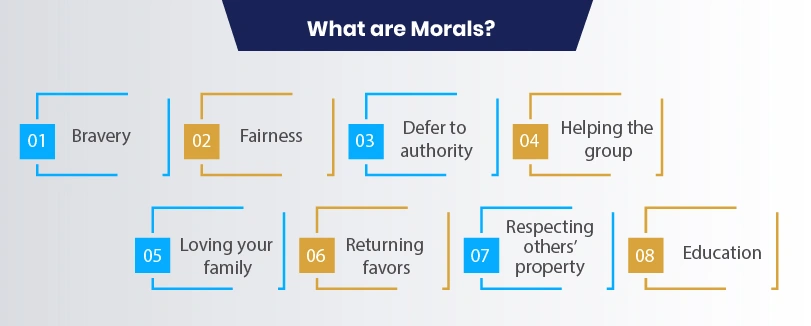
Additionally, some morals are universal, which include the following:

  • Bravery

People who are helping in establishing social hierarchies. As people who show bravery help others while risking their own lives, such as in situations like war. However, they have often been viewed as leaders in society. 

  • Fairness

It includes taking a stand fairly. For example, announcing a game result, and one stayed on fair results, even though they could have lied. It includes concepts like meeting in the middle and taking turns.

  • Defer to authority

Defending the rules and regulations for the betterment of society. It’s like knowing what is right and beneficial for others.

  • Helping the group

Supporting others’ traditions, honoring their practices and belongings, and promoting altruism within a group.

  • Loving your family

Spreading love and supporting your family helps maintain social norms. It helps raise future generations with similar values.

  • Returning favors

This promotes generous behavior and discourages selfish actions within society. For example, if someone helps us in our really bad time, returning the favour is an act of goodwill. 

  • Respecting others’ property 

It’s like settling disputes over possession as being fair. 

  • Education 

Understanding and learning from others, such as mentors and peers, broadens a person’s mind. It helps introduce new moral concepts, which helps in every possible way.

What is the Difference Between Ethics and Morals? 

Morals and ethics have differences, but they overlap. Ethics are the rules and principles that one has to follow, and morals are the personal behavior and beliefs. Morals are about determining right and wrong. People who are generous, patient, loyal, and don’t lie have morals. Whereas ethics include the ideals of honesty, goodness, respect, and loyalty.

The main difference between the two is that morals come from a person’s values, and ethics are based on societal expectations and professional standards. Ethics are applicable in the workplace, school, and law. In contrast, morals are applicable in personal decisions in everyday life. Moreover, the norms of society change over time, and ethics are also revised from time to time.  

Examples of Ethics and Morals 

If you are in a court, a lawyer asks you to lie in order to defend their client, who, from their perspective, is guilty. If you lie over that, that’s where you have disvalued your morals, but inside, one may remain in guilt of telling that lie. Or if you refused to lie in that situation, it adheres that you had a code of honesty and morals. 

Another example is a doctor who performed a procedure considered to be immoral, because they followed the rules and regulations. For example, there is a case of emergency, such as a suicide or an accident, which needs to be treated instantly. However, they do not start the procedure until they follow their rules, such as meeting the family members and more. Although a physician may be considered to be a bad person, they are in the right from a medical ethics standpoint. 

Moreover, there are some ethics and rules in the office; if these are not followed, it is considered to be unethical. For example, an employee who knows that smoking is prohibited in the premises of the office but still does so may be ethically obliged to disclose unethical practices within a company. These cases illustrate the clash between ethics and morals, which, at some point, becomes the source of complicated dilemmas and may lead to several mental health challenges. 

How do Ethics and Moral Impacts Mental Health? 

Every person learns new things and new morals throughout their life. These moral changes in different traditions and communities. These changes in morals and ethics lead one towards mental health conditions.

The scholar Aristotle stated in his studies that excellent character is reflected in high standards of moral behavior. Correct behavior leads one to better well-being. People who know that making mistakes might lead them to face consequences in life, but they still lie; that’s where the morals lack. However, deep inside, they know that they did something wrong, which in the long run leads to guilt, stress, anxiety, and depression. 

Also, individuals who lack ethics and morals have difficulties in managing relationships and making life decisions.

Moreover, changes in morals over time might lead one towards a sense of guilt and shame. For example, many older people still believe that living without marriage is immoral. This belief is dated and mostly unrecognized by younger generations, who often see living together as an important and even necessary step in a relationship that helps them make decisions about the future. 

However, even if a younger person understands that it’s not wrong to live with their partner before marriage, they might still feel guilty for doing so, especially if they were taught that doing so was immoral. That’s how guilt and stress build up over time. 


Start Your Emotional Wellness Journey

Take the first step toward better emotional well-being with compassionate, personalized mental health support. Our team helps you manage stress, improve coping skills, and build emotional resilience for a healthier, more balanced life.

✓ Personalized mental health support
✓ Anxiety & fear management
✓ Therapy & medication services
✓ Telehealth & in-person care
✓ Most major insurances accepted

Expert consultation available  ·  Flexible scheduling  ·  Confidential care


For example, imagine you are working at a company where you know that they are selling fake products, and you are still marketing them by telling lies. Although for that specific time you might not feel that you are doing any bad thing, at some time in life you might feel that you did wrong. So that’s how ethics triggers mental health issues later in life.

Also, people who don’t follow the basic ethics may face issues at workplaces as they might get terminated, which also increases the chances of developing anxiety and depression. In order to overcome these issues, one should seek help from a mental health professional immediately. 

What is the Psychology of Moral Injury? 

To understand the psychology of why the moral injury occurs, one would need to know how the brain accesses right and wrong. As morals are not something that is built in, it is what we learn in our life, upbringing, culture, and traditions. The mental health professional uses two different terms to describe the mental toll. 

Cognitive Dissonance

People who hold two different beliefs have issues remaining in confusion, which one to follow. This discomfort makes one fight with their beliefs. If it can’t be resolved, it causes one to experience mental health issues like anxiety, which forces one to fix the paradox. This is where the brain spins and thinks which belief should be followed and which one should be ignored. 

Moral Injury

Moral injury is when you know you are doing wrong, but still have to do it in order to stay safe. We can take the example of soldiers returning from war. Moral injury is experienced by anyone who witnesses or engages in actions that violate deeply held moral beliefs. It is not fear-based like traditional trauma; it is guilt- and shame-based.

Scientifically, when you operate in a “moral gray area” for too long, the brain loses its sense. It leads one to undergo decision paralysis and chronic worry because they no longer trust anything.

Can Someone Be Moral but Not Ethical?

Yes, it happens most of the time in everyday life, and a person can be moral without being ethical.

For example, an employee may leak damning information, which is ethically wrong, and go against the company’s policy. However, morally, they might feel like they do so because everyone should know that information. Another example is a teacher helping a student in a test so that they can tell their friends they have passed because the instructor believes that everyone deserves a second chance, even if they break the rules. 

Treatment Approaches 

A mental health professional recommends psychotherapies to reduce mental health conditions.

Psychotherapies are talk therapies in which a patient and a mental health expert sit together and talk. It helps in regaining your confidence and trust. Some of the common psychotherapies that can be helpful include: 

Acceptance and commitment therapy

It is a form of CBT. As the name suggests, this therapeutic technique involves the acceptance of uncomfortable emotions and thoughts.  According to ACT, the more we struggle against those unwanted thoughts, the more we find ourselves trapped in them. Therefore, through ACT, people find ways to see their thoughts as they are. It fosters “psychological flexibility,” allowing the patient to accept difficult moral emotions (guilt, shame) without being controlled by them. This therapy teaches one to untangle from rigid, self-critical thoughts. It effectively closes the “integrity gap”, causing mental health issues, like anxiety. 

Trauma-Informed Guilt Reduction (TrIGR) Therapy

This therapy is really helpful for individuals who have experienced chronic situations and are experiencing harsh beliefs that trigger chronic guilt. A mental health professional in TrIGR helps the context of the things that caused your ethical stress. 

Cognitive Processing Therapy (CPT)

It’s a gold-standard trauma therapy that actively helps individuals reduce and change unhelpful beliefs related to a distressing event. It helps in reducing the ethical stress and resolves issues like self-blame. It helps develop a more balanced, realistic view of the context surrounding your choices. 

Also, there are some of the medications that also help, including antianxiety, antidepressants, beta blockers, and antipsychotics. The mental health professional recommends these medications along with psychotherapies for better outcomes. 

Get Professional Support at Orange Coast Psychiatry

If you feel like dealing with moral issues that cause stress and anxiety in your life. Don’t worry, you are not alone, help is within reach! 

At Orange Coast Psychiatry, our certified team of professionals helps individuals who are navigating life challenges. Our highly expert team of top-notch professionals offers treatments with a multidisciplinary approach, which includes group and individualized therapy sessions. We design your treatment plan as per the severity of the condition and to support your emotional well-being and healthier decision-making. Our certified team provides a safe and nurturing environment where you can talk about your issues without the fear of judgment. 

Reach out to us today and take the step toward aligning your values with a balanced one!

Book your consultations now!

Frequently Asked Questions

Some of the common examples of ethics and morals include people who are struggling with these issues; abortion, divorce, marriage, punishment, war, euthanasia, and surrogacy.

Moral beliefs are deeply held beliefs about right and wrong, which guide behavior. These principles are often shaped by culture, upbringing, and religion.

Moral distress occurs in the moment when you know the ethically correct action to take but are blocked by external or institutional constraints. Whereas moral injury is the deeper, long-term psychological damage caused by severe or sustained moral distress. It leads to a profound loss of self-trust, existential crisis, and intense shame or guilt.

To help a friend who is going through distress because of ethics and morals, follow these techniques. Encourage open conversation about the burden of difficult decisions, help them to look at things in a broader context, which reduces self-blame. And validate their pain without rushing and guiding them towards betterment.

Both ethics and morals are important; one should follow the ethical rules of the group that they are a part of, as well as stay true to their personal beliefs.

Blog Outline

Latest Post
Expertise You can Trust
Our expert mental health care providers give their perspective across a wide range of subjects, current topics, mental health struggles, and services to help you live a better life.

Blog Outline

Frequently Asked Questions

Some of the common examples of ethics and morals include people who are struggling with these issues; abortion, divorce, marriage, punishment, war, euthanasia, and surrogacy.

Moral beliefs are deeply held beliefs about right and wrong, which guide behavior. These principles are often shaped by culture, upbringing, and religion.

Moral distress occurs in the moment when you know the ethically correct action to take but are blocked by external or institutional constraints. Whereas moral injury is the deeper, long-term psychological damage caused by severe or sustained moral distress. It leads to a profound loss of self-trust, existential crisis, and intense shame or guilt.

To help a friend who is going through distress because of ethics and morals, follow these techniques. Encourage open conversation about the burden of difficult decisions, help them to look at things in a broader context, which reduces self-blame. And validate their pain without rushing and guiding them towards betterment.

Both ethics and morals are important; one should follow the ethical rules of the group that they are a part of, as well as stay true to their personal beliefs.

Reference and Footnotes
Latest Post
phobia of bugs
What is Entomophobia: Symptoms, Causes, & Treatment

Entomophobia is the fear of insects, including those that are harmless, such as the fear of butterflies, named lepidopterophobia, a specific type of entomophobia. A person with entomophobia may experience panic attacks and a rapid heart rate just by seeing an insect, or just listening about them, or even thinking

Read More »
what is imposter syndrome
Imposter Syndrome: Symptoms, Types, and Treatments

Have you ever felt like you are not where you are supposed to be? Or do you doubt your capabilities and fear that you will be exposed as an imposter?  If yes, there are chances that you might be experiencing imposter syndrome.  It’s a common condition that can be experienced

Read More »
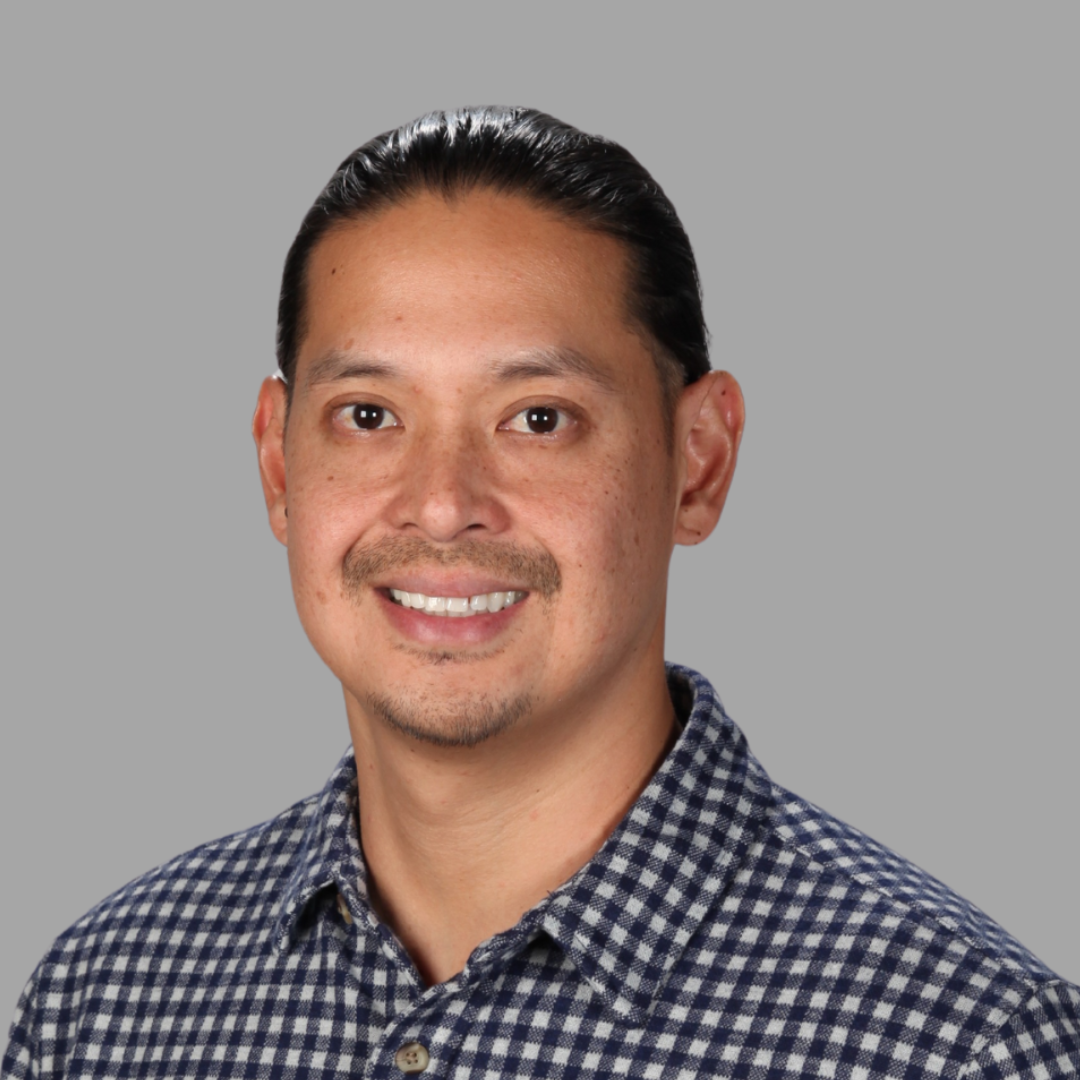
Dennis Ly Psychiatric Mental Health Nurse Practitioner-BC

Dennis Ly

Psychiatric Mental Health Nurse Practitioner-BC

Dennis Ly is a Board-Certified Psychiatric-Mental Health Nurse Practitioner dedicated to delivering compassionate, evidence-based, and holistic care. With eight years of nursing experience in emergency medicine, Dennis gained extensive experience working with patients in acute crisis, including those with psychiatric and behavioral health needs. These experiences fostered his passion for mental health and shaped his ability to remain calm, empathetic, and collaborative when supporting patients during their most vulnerable moments.

He earned his Master of Science in Nursing from Capella University and completed his Post-Master’s PMHNP certificate at National University, where he received advanced training in psychiatric assessment, psychopharmacology, and therapeutic interventions for children, adults, and geriatric patients. His clinical focus includes the treatment of anxiety, depression, bipolar disorder, schizophrenia, and ADHD.

In addition to medication management, Dennis integrates therapeutic modalities such as cognitive behavioral therapy (CBT), motivational interviewing, and patient-centered therapy into his practice, tailoring care to each individual’s goals and values. He approaches treatment with a holistic and collaborative philosophy, meeting patients where they are and empowering them to build resilience through personalized care.

Outside of work, Dennis enjoys exercising, eating sushi and Korean BBQ, and traveling.

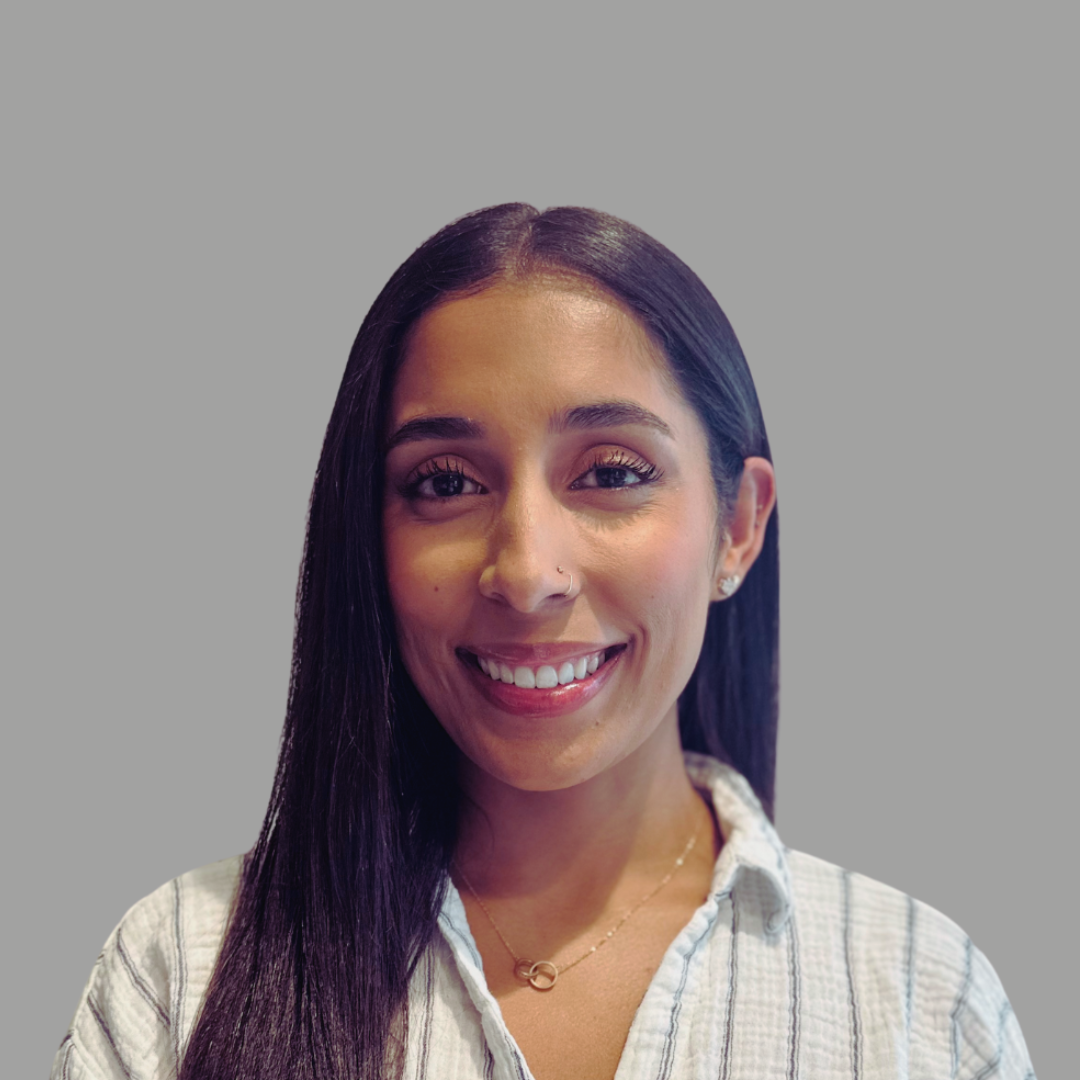
Leemarie Lewis

Psychiatric-Mental Health Nurse Practitioner-BC

Leemarie Lewis is a Board-Certified Psychiatric Mental Health Nurse Practitioner with over six years of experience in emergency medicine, community health, and psychiatric care. She earned her Master of Science in Nursing from West Coast University, where she completed focused training in psychiatric assessment, psychopharmacology, and evidence-based therapeutic modalities across the lifespan. Her clinical interests include the treatment of anxiety, mood disorders, ADHD, OCD, trauma-related conditions, and substance use disorders.
She began her healthcare career at UCLA Health as a nursing assistant, where she frequently served as a one-to-one observer for patients in acute psychiatric crisis. This experience sparked her deep interest in mental health. She went on to provide care for unhoused individuals in Los Angeles, supporting both physical and psychiatric needs while advocating for underserved populations. Much of her clinical background was spent as an emergency department nurse at a Level 1 trauma and county facility, where she gained valuable experience managing complex psychiatric and medical emergencies with empathy and precision.
Leemarie is committed to delivering equitable, inclusive, and culturally responsive care. She emphasizes the importance of creating a collaborative, patient-centered environment where individuals feel heard, supported, and empowered in their mental health journey. She integrates preventive care, patient education, and individualized treatment planning into her practice.
Outside of work, Leemarie enjoys staying active, practicing self-care, and spending time with family and friends. She also loves traveling and trying new experiences that bring joy and balance to her life.

Vivienne Peng

Psychiatric-Mental Health Nurse Practitioner-BC

Vivienne Peng is a board certified Psychiatric-Mental Health Nurse Practitioner with over 10 years of nursing experience working in the mental health field. Fluent in both English and Mandarin, she brings a culturally responsive, person-centered care that honors each individual’s unique background and walks of life.
Vivienne’s clinical expertise spans crisis de-escalation, therapeutic communication, and evidence-based treatment modalities. She draws on a mix of techniques such as psychotherapy-based interventions, integrative care models, medication management, psychoeducation, and complimentary approaches in her care. She has worked with individuals ages 6 and above across a variety of settings. She supports individuals with mental health challenges including depression, anxiety, mood disorders, PTSD, Schizophrenia, and more. She is committed to provide compassionate, empathetic, individual-focused care, always meeting individuals where they are with respect, authenticity, and clinical skills.
Vivienne’s Practice emphasizes on creating a safe and judgement free environment where individuals feel supported and empowered on their mental health journey towards healing and growth. Drawing from the foundation of nursing, trauma-informed, and holistic care, Vivienne collaborates with individuals to develop personalized treatment plans grounded in current research, best practices, and the individual’s own goals and values.

Outside of work, Vivienne enjoys traveling, discovering new restaurants, watching movies and visiting museums. She genuinely enjoys meeting new people and feels inspired everyday by the strength and resilience of those she serves.

Dr. Grawert

Psychiatrist

Dr. Lauren Grawert is a double board-certified psychiatrist with the American Board of Psychiatry and Neurology and Addition Psychiatry. She is an integral part of the team of Supervising Psychiatrists for our Psychiatric-Mental Health Nurse Practitioners here at Orange Coast Psychiatry.
In previous roles, Dr. Lauren Grawert was the founder of LHG Telemedicine LLC, as well as Chief of Psychiatry (Northern Virginia) for the Mid-Atlantic Permanente Medical Group; she has also worked in private practice specializing in general psychiatry, substance use disorders, and medically assisted treatment (MAT). Dr. Grawert has served as an expert for the San Diego Community Response to Drug Overdose Task Force; the Addiction subcommittee leader for Kaiser Permanente National Mental Health & Addiction Leadership Organization; and a Professor of Psychiatry at Penn State College of Medicine. She received her medical and psychiatric training at Medical University of South Carolina.
Dr. Grawert is also experienced with a variety of behavioral healthcare models through both private practice and leadership roles at Kaiser Permanente and other organizations.

Jackson Tea

MSN, PMHNP-BC

Administrative Director and Psychiatric Mental Health Nurse Practitioner

Jackson Tea, MSN, PMHNP-BC, serves as the Administrative Director and a board-certified Psychiatric Mental Health Nurse Practitioner (PMHNP-BC) at Orange Coast Psychiatry. Dedicated to breaking the stigma surrounding mental health, Jackson is passionate about providing compassionate, evidence-based care that empowers individuals to take charge of their mental well-being. His expertise includes comprehensive psychiatric assessments, personalized medication management, and behavioral health interventions designed to help patients achieve the best possible outcomes in their mental health journey.
Jackson’s approach to care is rooted in the belief that mental health is just as vital as physical health. He focuses on creating a supportive, judgment-free environment where patients feel heard, valued, and understood. By offering individualized treatment plans tailored to each person’s unique needs and goals, Jackson helps clients overcome obstacles such as anxiety, depression, mood disorders, and other mental health challenges.
He holds a Post-Master’s Certificate as a Psychiatric Mental Health Nurse Practitioner from National University, a Master of Science in Nursing in Nursing Administration from the University of Phoenix, and a Bachelor of Science in Nursing from California State University, Los Angeles, where he earned Dean’s List honors. As a member of the Sigma Theta Tau Honor Society of Nursing, Jackson remains committed to advancing mental health awareness and promoting high standards of care in the field.
In his role at Orange Coast Psychiatry, Jackson leads clinical operations while ensuring regulatory compliance and delivering high-quality care. His core competencies include psychiatric assessment, evidence-based interventions, crisis management, clinical leadership, and risk mitigation. Above all, Jackson strives to make mental health care accessible and effective for everyone, supporting individuals in making meaningful progress, improving their quality of life, and achieving lasting well-being.

May Faustino

Psychiatric-Mental Health Nurse Practitioner-BC

May Faustino, PMHNP-BC, is a compassionate and highly skilled psychiatric provider with over four years of nursing experience, including three years specializing in psychiatric care. She holds a Master of Science in Nursing from West Coast University, where she received extensive training in managing the psychiatric needs of pediatric, adult, and geriatric populations, as well as providing therapy and counseling services.
May has worked in diverse mental health settings, including forensic psychiatry at the Department of State Hospitals and behavioral health services at Aliso Ridge Behavioral Health. Her clinical expertise spans psychiatric assessments, medication management, and trauma-informed care, with a strong focus on treating anxiety, depression, and trauma-related disorders.
Bilingual in English and Tagalog, May is dedicated to serving diverse patient populations with a culturally sensitive approach. She is trained in evidence-based therapeutic modalities such as cognitive behavioral therapy (CBT) and motivational interviewing and is well-versed in trauma-informed care and suicide prevention strategies.
May is passionate about promoting resilience and recovery through preventive mental health care and individualized, holistic treatment plans. Her commitment to excellence is reflected in her memberships in the American Psychiatric Nurses Association and Sigma Theta Tau International Honor Society of Nursing.
In her personal time, May enjoys fostering mindfulness and well-being through activities she loves, such as spending time with her husband and their two beloved cats, Pippy and Eva.

Dr. Montgomery

M.D. – Psychiatrist

Dr. Torri Montgomery, M.D., is a board-certified psychiatrist with the American Board of Psychiatry and Neurology, with a subspecialty board certification in forensic psychiatry. Dr. Montgomery is an integral part of our Management Team as a Psychiatrist and Supervising Psychiatrist for our Psychiatric-Mental Health Nurse Practitioners here at Orange Coast psychiatry.
Dr. Montgomery earned her Bachelor of Science (Magna Cum Laude) from Arizona State University and her Doctor of Medicine (M.D.) from The University of Arizona, College of Medicine. She completed her psychiatry residency at Los Angeles County Harbor-UCLA Medical Center. During her psychiatry residency, Dr. Montgomery completed a year-long certification in Electro-Convulsive Therapy (ECT), earned a certificate from the Drug Enforcement Agency (DEA) to prescribe medication for the treatment of substance use disorders, and worked in a Medication Assisted Treatment (MAT) clinic for substance use disorders. Additionally, she was appointed Chief Resident and received an Excellence in Teaching award.
After psychiatry residency, she completed her Forensic Psychiatry Fellowship at the University of Southern California, Keck School of Medicine. After completing her fellowship, Dr. Montgomery has worked in public psychiatry for the Los Angeles County Department of Health Services. She teaches, consults, and treats individuals with depressive disorders, anxiety disorders, trauma-related disorders, and serious mental illness (SMI), such as schizophrenia spectrum and bipolar disorders. Her experience includes outpatient, inpatient, emergency, consult liaison, addiction, dual-diagnosis, and forensic psychiatry. She is an expert evaluator on the Superior Court of California Panel of Expert Psychiatrists and Psychologists. Dr. Montgomery is an attending physician for the Harbor-UCLA Department of Psychiatry and serves as a psychiatrist with Orange Coast psychiatry.

Dr. Ravi

M.D. – Psychiatrist

Dr. Dave Ravi, M.D., is a Board Certified Psychiatrist with additional qualifications in geriatric psychiatry. Dr. Ravi is an integral part of our Management Team as a Psychiatrist and Supervising Psychiatrist for our Psychiatric-Mental Health Nurse Practitioners here at Orange Coast psychiatry.
Dr. Ravi graduated from Virginia Commonwealth University (B.S., Magna Cum Laude), VCU School of Medicine (M.D.), Dartmouth Hitchcock Medical Center (Residency in Psychiatry), and John. A. Burns School of Medicine (Fellowship in Geriatric Psychiatry). He currently is a clinical assistant professor of psychiatry at John A. Burns School of Medicine in Honolulu, HI and serves as a psychiatrist with Orange Coast psychiatry.
Dr. Ravi is a dedicated community psychiatrist with extensive experience in public, correctional, inpatient and outpatient settings, and an experienced tele-psychiatrist. He consults on topics in general psychiatry, including quality improvement, treatment planning, and crisis management, and in correctional psychiatry, including recovery-oriented treatment for individuals with serious mental illness and dual diagnosis. His current and future interests focus on understanding the various approaches in managing the suffering and disturbance of complex psychiatric disorders, particularly in the use, misuse, overuse, and misrepresentation of psychotropic medications.

Dr. Irwin

M.D. , Ph.D – Psychiatrist

Dr. Scott Irwin, M.D., Ph.D., is Board Certified Psychiatrist. Dr. Irwin is an integral part of our Management Team as a Psychiatrist and Supervising Psychiatrist for our Psychiatric-Mental Health Nurse Practitioners here at Orange Coast psychiatry.
His career mostly focuses on improving outcomes for those with cancer or other progressive, potentially life-limiting illnesses, and their families, through leading-edge clinical services, ongoing research, as well as program development, improvement, and implementation.
He is widely published, has been recognized at many levels for his research, teaching, consulting, and clinical endeavors, and has received research funding from the NCI, NIMH, the National Palliative Care Research Center, the Archstone Foundation, and industry.
Dr. Irwin earned his Bachelor of Science from the University of California, Los Angeles, and both his MD and PhD (neuroscience) at the University of Illinois, Urbana-Champaign. He successfully completed his psychiatry residency at UC San Diego as chief resident of Outpatient Psychiatric Services, as well as a two-year elective in hospice and palliative care at San Diego Hospice and The Institute for Palliative Medicine. He is a diplomate of the American Board of Psychiatry and Neurology, with subspecialty certification in psychosomatic medicine.

Richard Samedra.

Psychiatric-Mental Health Nurse Practitioner-BC

Richard Samedra, PMHNP-BC, is a Board Certified Psychiatric-Mental Health Nurse Practitioner. He brings over 12 years of experience in the mental health field, working with clients facing a wide range of acute and chronic mental health conditions. His journey began as a Licensed Vocational Nurse and Charge Nurse at Westminster Therapeutic Residential Treatment, where he supported clients dealing with anxiety, depression, schizophrenia, bipolar disorder, and substance use disorders. Richard’s dedication was centered on helping these individuals improve their mental health and transition to a lower level of care, whether that meant returning to their families, a board and care facility, or a sober-living environment.
Motivated by a growing passion for mental health care, Richard pursued his Registered Nurse (RN) education at Saddleback Community College and later transitioned to La Palma Intercommunity Hospital Behavioral Health. In this role, he specialized in geriatric psychiatry, working with older adults experiencing conditions such as Parkinson’s disease, dementia, depression, and anxiety. This experience solidified his commitment to mental health, leading him to work at Bellflower Community Hospital, where he provided care for patients experiencing severe psychiatric crises, including suicidal ideation, manic and depressive episodes, substance use disorders, and exacerbated schizophrenia symptoms.
Inspired by the impactful work of PMHNPs at Bellflower, Richard enrolled in the Psychiatric-Mental Health Nurse Practitioner program at Azusa Pacific University. To broaden his expertise, he worked full-time at College Hospital Costa Mesa while completing his studies. There, he gained comprehensive experience across various units, including adolescent, acute men’s and women’s, stabilization, and detox/med-surg. Now, as a PMHNP, Richard is committed to leveraging his diverse background and knowledge to provide compassionate, comprehensive care to those in need.
Richard currently practices as a Nurse Psychiatric-Mental Health Nurse Practitioner at Orange Coast Psychiatry, where he is supervised by Dr. Montgomery.

Shaheena Gazipura

Psychiatric-Mental Health Nurse Practitioner-BC

Shaheena Gazipura is a board-certified Psychiatric Mental Health Nurse Practitioner (PMHNP-BC) with over 9 years of dedicated experience in both inpatient and outpatient mental health care. She earned her Master of Science in Nursing from Western University of Health Sciences in Pomona, California.
Shaheena began her career working on an adult psychiatric inpatient unit before transitioning to the geriatric psychiatric inpatient unit at USC Verdugo Hills Hospital. In addition to her clinical work, Shaheena also serves as a Nursing Clinical Instructor, guiding the next generation of nurses through their mental health rotations at a large community college.
Shaheena is a passionate advocate for mental health, believing that it is a fundamental pillar of overall well-being. She is committed to reducing the stigma surrounding mental illness and strives to provide comprehensive, compassionate care that honors each individual’s unique experiences and challenges. Her goal is to create a supportive, nonjudgmental environment where patients feel empowered to work alongside her in achieving their mental health goals.
Outside of her professional life, Shaheena enjoys exploring new culinary experiences, staying active through exercise, and planning her next travel adventures.
Shaheena currently practices as a Nurse Psychiatric-Mental Health Nurse Practitioner at Orange Coast Psychiatry, where she is supervised by Dr. Barrios.

Clint Nacar

Psychiatric-Mental Health Nurse Practitioner -BC

Clint Nacar, PMHNP-BC is a Board Certified Psychiatric-Mental Health Nurse Practitioner. Mr. Nacar graduated from Charles R. Drew University of Medicine and Science. Currently Mr. Nacar works in an inpatient psychiatry unit at a leading academic medical center in Los Angeles, Renewed Mental Health Group, and Orange Coast Psychiatry
Mr. Nacar brings over 7+ years of experience with the mental health population. He works to help patients take control of their mental health through patient education, psychotherapy and medication management. Mr. Nacar’s areas of focus include: Depression, Anxiety, Adjustment Disorder, Bipolar disorder, Attention Deficit Hyperactivity Disorder (ADHD), and Post-Traumatic Stress Disorder (PTSD). Mr. Nacar treats children ages 6+, adolescents, and adults, offering both in-person services and telehealth at Renewed Mental Health Group.
With the collaboration of each patient, Mr. Nacar strives to develop individualized plans of care addressing each patient’s unique situation and concerns. He also encourages each patient to take charge of their mental health through a holistic approach while also employing the latest evidence based practices in treatment.

Clint is one of our most experienced Psychiatric-Mental Health Nurse Practitioners at Orange Coast Psychiatry and is 103NP Licensed in the State of California.

Cristian Cuevas

Psychiatric-Mental Health Nurse Practitioner-BC (Fluent in Spanish)

Cristian Cuevas, PMHNP-BC, is a highly skilled board-certified psychiatric mental health nurse practitioner with over seven years of experience in inpatient psychiatry and mental health.
A California State University Long Beach graduate, Cristian also earned recognition as a board-certified psychiatric mental health registered nurse. With a wealth of expertise in adult psychiatric care across the lifespan, Cristian has successfully diagnosed and treated a diverse range of mental health disorders.
Additionally, his specialized experience in child and adolescent inpatient populations further enhances his ability to provide comprehensive and compassionate mental health care.
Cristian Cuevas is the Lead Nurse Psychiatric-Mental Health Nurse Practitioner at Orange Coast Psychiatry and is supervised by Dr Barrios.

Nicole Leonce

Doctor of Nursing Practice & Psychiatric Mental Health Nurse Practitioner-BC

Nicole Leonce is a Board-Certified Psychiatric-Mental Health Nurse Practitioner with over five years of experience in psychiatry and a strong medical background. She earned her Doctor of Nursing Practice degree from the University of San Francisco and is a proud member of the Sigma Theta Tau International Honor Society of Nursing. Nicole has a special emphasis in Trauma-Informed Care and is deeply committed to providing compassionate, patient-centered, and culturally responsive treatment.

Her clinical expertise includes the diagnosis and management of depression, anxiety, bipolar disorder, trauma-related conditions, ADHD, OCD, substance use disorders, and mood disturbances. She also provides care for individuals navigating grief, life transitions, and relationship stressors. Nicole integrates evidence-based approaches such as psychodynamic therapy, motivational interviewing, and solution-focused techniques, along with medication management, to help her clients achieve balance and emotional well-being.

Nicole believes that every patient’s story deserves to be heard and validated. She strives to create a safe and supportive environment where individuals feel empowered to explore their challenges and reach their full potential.

Outside of her practice, Nicole enjoys reading, traveling, exploring museums, cooking, and dining with friends and family. She also loves spending time with her miniature poodle, Nico.

Dr Barrios

Board-Certified Child and Adolescent Psychiatrist

Dr. Carlos Barrios is a Board-Certified Child and Adolescent Psychiatrist with over two decades of experience in mental health care. His expertise in telepsychiatry has allowed him to serve patients across California and beyond. In his practice, Dr Barrios integrates metabolic and functional methodologies, focusing on guiding patients toward medication independence and emphasizing the connection between physical and mental health.
Outside of his professional life, Dr Barrios is passionate about kettlebell training, which helps him maintain my physical and mental wellness. He cherishes visiting his family in Guatemala, to reconnecting with his cultural roots and rejuvenating his spirit. Dr Barrios is also deeply involved in transcendental meditation and rucking, practices that not only provide him with tranquility but also keep him grounded and connected to nature. These hobbies reflect his commitment to a holistic approach to health, both personally and professionally.