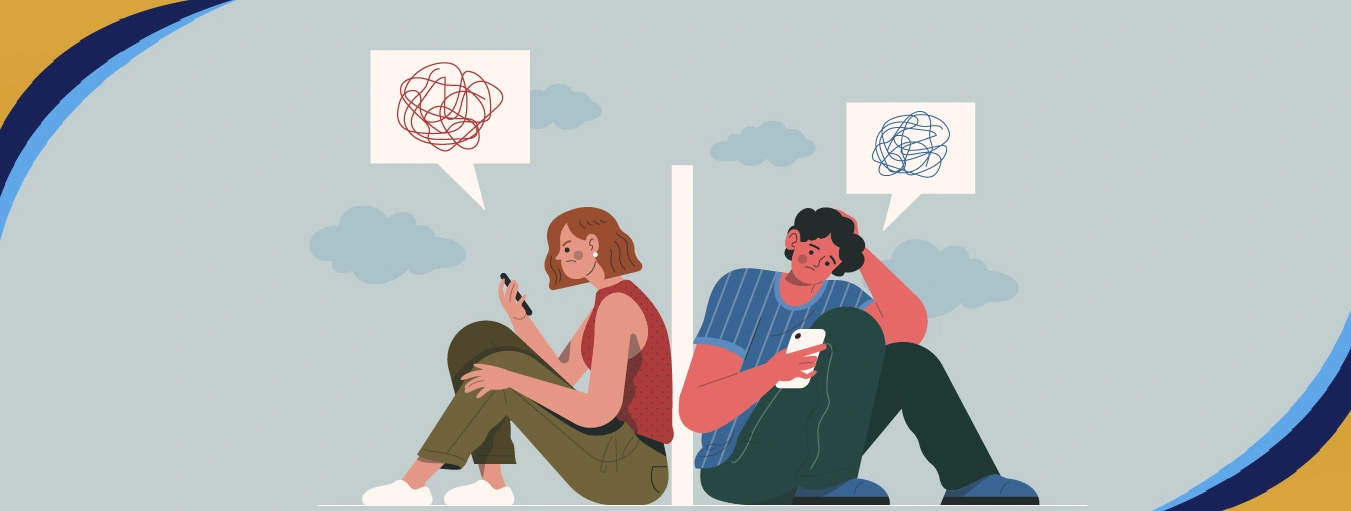
Waking up with anxiety can be both confusing and draining for a person. You might notice your accelerated heart rate, your chest feeling tight, or a sense that something is not just right, even if you don’t have any stressful events planned for the day.
Morning anxiety is something many people experience in the USA. According to the data in adaa.org, anxiety disorders affect about 40 million adults in the United States each year (around 1 in 5 adults), and approximately 6.8–7 million of them live with generalized anxiety disorder (GAD). In this condition, excessive worry and anxiety can be present from the moment they wake up.
Morning anxiety can happen to anyone, even without a formal anxiety diagnosis. However, it is also common in people with conditions such as generalized anxiety disorder (GAD), panic disorder, depression, or PTSD. It can show up during stressful times or due to things like poor sleep, caffeine, or life changes.
What Does “Waking Up With Severe Anxiety” Mean?
Morning anxiety does not refer to a separate medical diagnosis. Instead, it describes a pattern:
- You wake up with intense worry or fear.
- You may feel physical symptoms like a racing heart or nausea.
- The anxiety feels excessive to what is actually happening in your life that morning.
This can occur a few times per month or almost every day. Some people feel them as soon as they open up their eyes. Others notice it within the first 30 to 60 minutes of the day.
If this happens often, you may be connected to an anxiety disorder, depression, insomnia, or ongoing stress. A mental health professional can help identify the underlying cause.
Common Symptoms of Morning Anxiety
Morning anxiety can affect both your body and your mind.
Physical symptoms may include:
- Fast and pounding heartbeat
- Tight feelings in the chest
- Shallow or rapid breathing
- Upset stomach, nausea, or loss of appetite
- Sweaty or cold hands
- Sense of internal restlessness
- Headaches or muscle tension, especially in the neck or shoulders
Mental And Emotional Symptoms Of Morning Anxiety May Include:
- Persistent worry about the day ahead
- Feeling on edge or keyed up
- A feeling of worry without an apparent reason
- Difficulty focusing on tasks
- Irritability or a low tolerance for stress
- Pessimistic predictions about how the day will go
If these feelings appear most in the mornings and make it hard to function at work, school, or home, it is time to seek professional support.
Why Waking Up With Anxiety Possibly Hit You
Morning anxiety usually does not have just one cause. Different things in your body, mind, and daily habits can add up.
1. Stress Hormones and Cortisol
Cortisol is a hormone that helps regulate your stress response. In a healthy sleep or wake cycle, cortisol rises in the early morning and drops later in the day. This pattern helps you wake up and feel alert.
If you deal with ongoing stress or anxiety, your cortisol levels can get higher or change more than usual. When cortisol goes up quickly in the morning, you might feel your heart beating fast, have busy thoughts, or feel like something is wrong. This can feel like anxiety right when you wake up.
2. Generalized Anxiety Disorder and Other Conditions
Feeling anxious when you wake up can be a part of several different mental health conditions.
- Generalized anxiety disorder (GAD) involves ongoing worry that can affect many parts of your life.
- Panic disorder means having panic attacks that can happen suddenly, even right after you wake up.
- Depression can sometimes cause you to wake up early and feel stuck in anxious thoughts.
- With post-traumatic stress disorder (PTSD), you might wake up feeling anxious following nightmares or difficult memories.
Mental health professionals will look for these different conditions, since each one has its own approach to treatment. Getting the proper diagnosis can help you find the support that fits your needs.
3. Poor Sleep Quality or Sleep Disorder
Sleep and anxiety are closely connected. If you are feeling anxious, it can make it harder to sleep well. At the same time, not getting enough good sleep can make anxiety worse.
Possible contributors include:
- Insomnia or difficulty staying asleep.
- Obstructive sleep apnea
- Broken or restless sleep because of pain or health problems
- Irregular sleep schedule or frequent late nights

Waking up often during the night or not getting deep, restful sleep can leave you feeling more stressed and sensitive to how your body feels the next day.
4. Personal Routines
Some daily habits can make morning anxiety more likely:
- High caffeine intake, especially late in the day
- Drinking alcohol in the evening, which can mess up your sleep
- Late-night screen use with bright light exposure
- Going to bed very late or at inconsistent times
- Skipping breakfast, which can lead to low blood sugar in the morning
These habits do not cause anxiety for everyone, but they can make symptoms worse if you are already feeling anxious.
5. Ongoing Life Stress
Significant life changes or ongoing stress can make it more likely that you will wake up feeling anxious. Some common examples are:
- Work pressure or job insecurity
- Financial worries
- Relationship conflict or separation
- Caregiving responsibilities
- Stress about school or doing well.
It’s common for your mind to jump to these worries in the morning. This can lead to anxious thoughts and make your body feel tense, even before you get out of bed.
When Morning Anxiety Becomes A Problem And Needs An Immediate Solution
It is common to feel anxious in the morning with already planned events in mind, like a marriage, meeting or job interview that day. But if it becomes persistent, like waking up with anxiety for no reason
and becomes a routine, then it needs an immediate solution. Because usually these feelings fade with time. But sometimes, certain signs mean to contact a psychiatrist for extra support. These signs can be:
- If anxiety appears most mornings for several weeks or months.
- Symptoms interfere with work, relationships, or daily activities.
- Avoiding responsibilities because of the anxiety.
- Experience panic attacks, with intense fear, chest pain, or shortness of breath.
- Changes in mood, such as persistent sadness or loss of interest.
- Having thoughts of self-harm or feeling that life has no purpose.
If you notice any of these signs, it is recommended to contact a mental health professional who can help you figure out what’s going on and explore options for feeling better.
At Orange Coast Psychiatry, our team can help you understand whether your symptoms are related to anxiety, depression, sleep issues, or something else. We work with you to find the proper support.
Evidence-Based Treatments for Waking Up With Anxiety
Our approach to treating anxiety in the morning is based on three pillars, i.e, therapy, medication management, and daily routines. This strategy makes sure that the best approach for you depends on your individual diagnosis, health history, and personal preferences.
1. Psychotherapy (Talk Therapy)
There are a few types of therapy that have been proven to reduce the symptoms of anxiety. These are:
2. Cognitive behavioral therapy (CBT)
CBT helps to develop your thoughts on positive patterns where actions are connected. In this type of therapy, you work on noticing patterns of worry, finding ways to question unhelpful thoughts, and trying out new coping skills.
3. Exposure-based Therapy
With these strategies, you slowly and safely face your fears, step by step. Over time, this can help your anxiety go down.
4. Acceptance and commitment therapy (ACT):
This therapy is about learning to handle tough feelings and selecting options that fit with your values.
At Orange Coast Psychiatry, our psychiatrists can connect with you or work together with other professionals as part of your care team, based on what you need.
If you take medication, your provider at Orange Coast Psychiatry will talk with you about the pros and cons, help adjust your dose if needed, and keep an eye on any side effects. Your treatment plan is personalized according to you and follows the up-to-date recommendations.
How Orange Coast Psychiatry Can Help
At Orange Coast Psychiatry, our clinicians:
- Carefully check both your mental and physical health.
- Help manage medications for anxiety and similar issues using proven methods.
- Work with therapists and other professionals to create a complete care plan.
- Set up scheduled follow-ups to see how you are doing and make changes to your treatment if needed.
We adjust care to fit your symptoms, life situation, and goals. Whether you deal with anxiety, panic, depression, or stress from work or family, a plan made just for you can help you feel steadier in the mornings and all day.
Taking the Next Step
Waking up with anxiety can affect your energy, focus, and quality of life. It can signal an underlying condition that deserves attention, not something you have to accept as normal.
Meeting with a psychiatrist or other trained mental health provider can help you find out what triggers your anxiety and begin a treatment plan that fits your needs.
If you live in Orange County or nearby areas, Orange Coast Psychiatry offers compassionate, evidence-based care for anxiety and related concerns. In addition to face-to-face services, we provide telehealth appointments for those who are not local, making sure they can get the support they need from wherever they are. Contacting for support is a practical step toward calmer mornings and more manageable days.