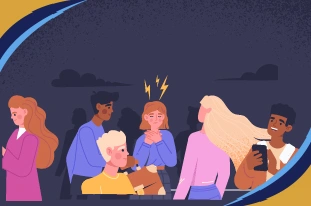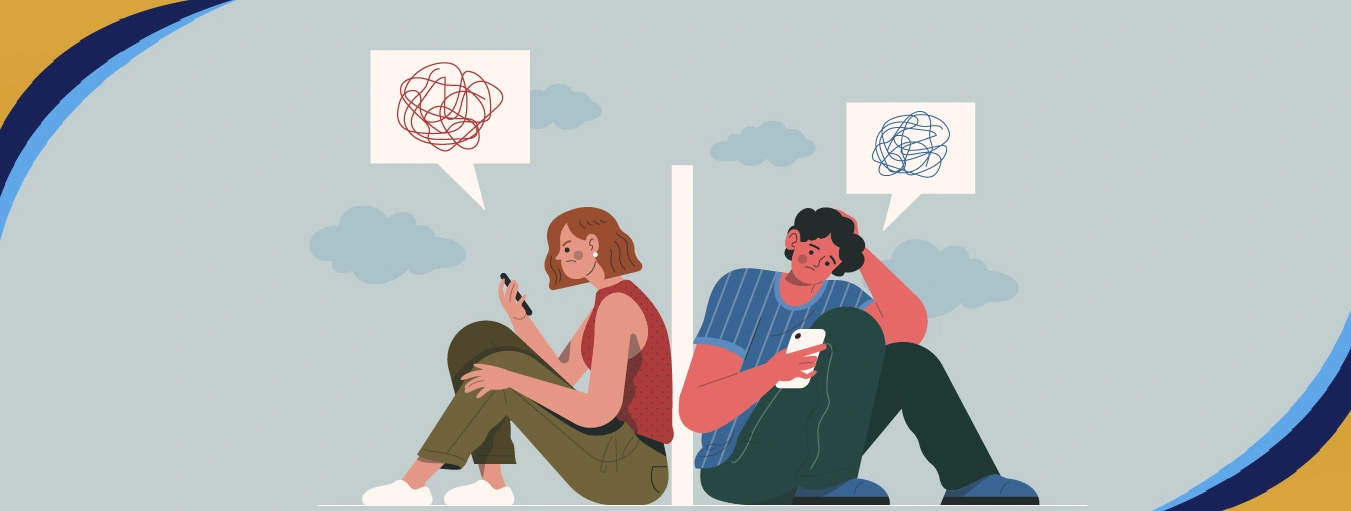
You sit down at the morning meeting and offer a quiet hello, but your words seem to vanish. Everyone else keeps talking, as if you’re not there at all. Have you ever felt invisible, even when you are with other people?
Take another example, you say hello to a group of co-workers, but the conversation keeps flowing without noticing you. No one looks up. Seconds pass as you stand there, unsure of whether you were even heard.
Your heart sinks, and you wonder what you did wrong. If these feel familiar, you are not alone. This is called ostracism. Ostracism means deliberately ignoring someone, and the person who is ignored is ostracized. It’s not just uncomfortable; it can seriously affect your mental health and daily life.
You might know the pain of being left out, ignored, or excluded at work, with friends, or in your family.
The initial reaction, even from the most minimal forms of ostracism, is painful and distressing. Ostracism can happen for many reasons, such as group dynamics, misunderstandings, conflict, or even unintentional oversight. Sometimes people leave others out to protect group unity, because of personal biases, or simply due to miscommunication. While it can feel deeply personal, the causes are often complex and not always about the individual being excluded.
It is a fundamental need of all human beings to have a sense of belonging, self-esteem, control, and a meaningful existence. And when these feelings are not present, sadness and anger take their place.
Psychologists such as Dr. Kipling Williams from Purdue University say these moments are more than just “feeling left out.” They can seriously threaten our mental well-being.
Ostracism Is More Than Loneliness
Social ostracization is more than just a passing feeling. When people ignore or leave you out, it can cause strong emotions like sadness, anger, anxiety, and deep loneliness. In one study at Rutgers University, researchers asked participants to recall or even experience moments when they were left out of group activities.
The results showed that people who felt ostracized reported lower feelings of belonging, self-esteem, control, and meaning. This research shows that being excluded can quickly and deeply impact some of our most fundamental psychological needs.

General loneliness can happen to people for many reasons, sometimes without anyone to blame. Ostracism, on the other hand, comes from being left out intentionally or from feeling excluded. This makes it especially hard to deal with and can make you question your value and where you fit in. If it happens often, ostracism can lead to ongoing anxiety, depression, pulling away from others, and even health problems.
How It Feels To Be Ostracized?
Ostracism can happen to anyone, almost anywhere: at school, at work, in your neighborhood. Even you can be ostracized by your family.
You might remember times when you felt left out, whether it was on the playground, at work, or with family. Feeling ostracized can have different meanings that show up in different ways, such as:
- Thinking about painful memories of being left out, and finding it difficult to move forward.
- Feeling anxious in social situations or worrying about being rejected.
- Losing confidence or starting to question your self-worth.
- Noticing physical symptoms from stress, like headaches or stomach aches.
- Avoiding new situations or relationships, and pulling back from opportunities.
If any of this feels familiar, you are not alone; you are facing ostracizing behaviors. You deserve support as you work through the pain of being left out.
Who Is More Likely To Be Affected By Ostracism?
A recent study in Personality and Individual Differences (2023) shows that being ostracized, or deliberately ignored by others, has immediate and strong effects on mental health. The research found that even short times of being left out can cause upset feelings, lower self-esteem, and make people feel less connected and less in control.
However, there is a question: who is more likely to feel ostracized? The research conducted on five personality traits (openness, agreeableness, negative emotionality, extroversion, and conscientiousness) and class “B”, the Quiet Over-Reacting Procrastinators (QORP), among them were reported to perceive ostracism.
These effects are not just emotional; brain scans show that social pain affects the same way as physical pain. The study also says that being left out can happen anywhere, like at work, school, or online. The effects can last a long time after it happens. When a person knows about this, it helps us to understand how serious it is to be left out and why it is important to make sure everyone feels included.
The Science Behind Social Exclusion
Over the past few decades, psychologists have devoted considerable attention to ostracism. Research shows that even brief episodes of exclusion activate the same areas of the brain that process physical pain. This means your distress is not “all in your head”; it is a real, measurable response that deserves to be taken seriously. It means that feeling left out can hurt as much as having physical pain.
People who have been ostracized react in different ways. Some show anger and resentment, withdraw further, and cut all connections as a way to protect themselves from further hurt.

These actions are not signs of weakness or personal failure. They are a natural response to deep psychological wounds that hurt a person from time to time.
The Different Faces of Ostracism
Exclusion can take different forms. It depends on why someone ignores you and where it happens.
Deliberate and Defensive Acts
Sometimes people use silence to hurt someone or to try to get them to change. This can happen in difficult relationships, especially when one person is trying to have more control.
Research has found that when someone leaves another person out on purpose, the person doing the excluding might feel more powerful for a little while. At the same time, the person left out can feel they have less control. For example, people who ignored a coworker often said they felt more important, which shows how leaving someone out can change the balance in a relationship.
Read More: A Guide To Understanding Smiling Depression
Other times, people stay quiet to avoid tough conversations or criticism. Silence can feel safer when things are tense or emotions are strong because our brains want to avoid anything that feels like a threat.
Unintentional and Structural Silence
People can sometimes leave others unintentionally. For instance, you might not notice someone because you are focused on something else. This is called oblivious exclusion, and it happens when you are simply unaware. There is also role-prescribed exclusion, which happens when social rules guide your behavior. For example, not talking to strangers in an elevator is a way of respecting personal space, even though it means you are not including them in conversation.
The Digital Shift
A lot of our social life now takes place online. Being left out on digital platforms, sometimes called cyberostracism, can feel just as painful as being excluded in person. This can include things like being ghosted, removed from a group chat, or seeing that someone read your message but didn’t reply. Not getting a response online can feel like being completely rejected.
How We Process the Silence
Our brains notice social exclusion almost instantly. Brain scans show that when you’re ignored, a part of your brain called the anterior cingulate cortex lights up. This area is involved in both physical pain and the emotional pain of being left out, which is why social pain can feel just as real as a physical injury.
The Three Stages of Impact
- The Reflexive Stage is your immediate reaction. It’s the sharp pain you feel right when you notice you’re being ignored. At that point, it’s normal to worry that your need to belong or feel good about yourself is threatened.
- Reflective Stage: After the first shock, you might find yourself thinking about what happened and how you want to respond. Some people try to make up for things by being extra helpful, while others might feel angry and pull away. This is a good time to try out simple coping strategies. One idea is to use micro-affirmations, like making eye contact, saying hello, or inviting someone to join a conversation. These small actions can help you feel more connected and take your mind off feeling left out. Even trying just one of these for a day can help you move from thinking to doing.
- The Resignation Stage is the hardest part. If you feel left out for a long time, you might stop reaching out to others. Over time, this can make you feel numb, hopeless, or like you don’t matter.
Unique Approach to Healing Ostracism
Your first visit starts with a conversation about what brings you in and what you would like to change. We will talk about your experiences, symptoms, and strengths to get a clear picture of what’s going on in your mind.
From there, we will work together to create a treatment plan that fits your needs.
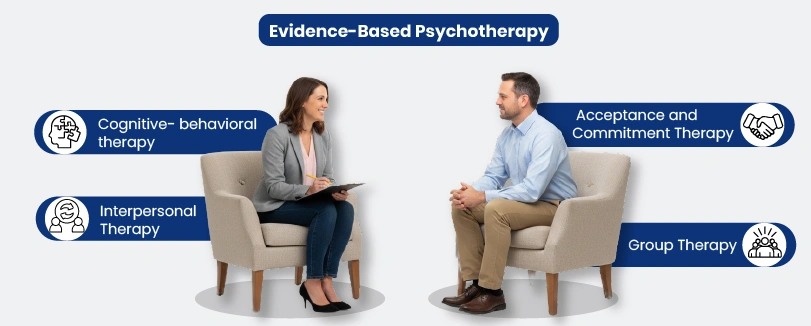
Evidence-Based Psychotherapy
We use therapy approaches that have been shown to work in research, including:
- Cognitive- behavioral therapy (CBT): CBT is a type of talk therapy that helps you notice and change thought patterns that might not be helpful, especially if you often feel left out. In CBT, you’ll work on turning self-criticism and hopelessness into more supportive ways of thinking about yourself and the people around you.
- Interpersonal Therapy (IPT): Interpersonal therapy, or IPT, helps you build stronger relationships and improve your communication. Through IPT, you can learn to share your feelings, set healthy boundaries, and connect more easily with others.
- Acceptance and Commitment Therapy (ACT): Acceptance and Commitment Therapy (ACT) teaches you mindfulness and acceptance skills, helping you handle tough emotions without letting them take over. It aims to help you keep moving forward and focus on what matters to you, even during hard times.
- Group Therapy: Group therapy lets you meet others who know what you’re experiencing. It’s a safe space to share your story, build social skills, and find support. Everyone promises to keep things private, and we set clear rules so you can feel at ease.
Medication management:
Sometimes feeling excluded can lead to depression and anxiety, and ultimately makes daily life hard. If that happens to you, we can discuss whether medication is a healthy option. We will find the options together. Answer your questions and make sure you feel comfortable with any decision. Sometimes medication becomes necessary when symptoms worsen.
What Makes Our Approach Different?
Orange Coast Psychiatry focuses especially on helping people who have experienced social ostracism. Our team keeps up with the latest research and experience, so your care is based on what works best for you. We know that social pain can affect every part of your life, so we address both the emotional and practical aspects of recovery. We offer support so you can move from feeling isolated to feeling connected.
We offer support and research-backed care for people who have experienced social ostracism. Our services are both for adults and teens, so whether you are looking for help for yourself or someone you care about, we are here to help.