Mental health is an important part of overall well-being. It refers to an individual’s cognition, emotional regulation, social well-being and shapes their feelings, thoughts, and actions. A person with good mental ability can handle stress effectively, maintain social connections, & make accurate decisions.
Good mental health supports physical well‑being, while poor mental health can make physical symptoms worse. Challenges with mental health can also make it harder to focus at work and create severe relationship issues with others.
According to the World Health Organization (WHO), over a billion people around the world are struggling with mental health disorders. Women are more affected compared to men, as anxiety and depression are more common in females.
When people understand mental health better, we build a peaceful environment where others feel safe to ask for help, grow stronger in life challenges, and live more meaningful, connected lives.
What is Mental Health?
Mental health refers to a state of mental well‑being in which an individual can cope with the normal stresses of life, realize their abilities, work productively, and contribute to their community. This means mental health includes how well someone functions emotionally, socially, and psychologically, not just the absence of symptoms.
Research also shows that increasing mental health awareness improves understanding and reduces stigma associated with mental illness, which supports healthier coping behaviors.
“Indeed, there is no health without mental health.”
Taking care of mental health is an important part of living a productive and fulfilling life. This involves balancing activities, responsibilities, and efforts to achieve psychological stability.
As far as mental health challenges are concerned, they can arise at any age, and each person’s experience is unique.
Additionally, Mental illnesses affect about 19% of adults, 46% of teenagers, and 13% of children each year. However, when emotional responses begin interfering with everyday functioning, they may develop into diagnosable mental illnesses.
Why is Mental Health Important?
Mental health is necessary at every stage of life. If one struggles with mental disorders, their physical health also gets impacted. They both work vice versa, as bad physical health leads to stress and depression. In contrast, bad mind health might lead to physical symptoms like headaches, stomachaches or fatigue.
However, in severe cases, it may also increase the risk of developing heart disease and stroke. Also, people who are experiencing long-term health issues are vulnerable to mental illnesses.

Here are some of the common reasons why mental health is crucial:
1. Emotional Well-Being
Good mind health helps individuals to manage their emotions & build resilience. It helps find happiness & meaning in life experiences. Also, it helps in better coping strategies during difficult times.
2. Quality of life
Mental illnesses severely affect quality of life. People who have better mental health perform better in work and academics. They engage more in social activities and tend to have better relationships with friends & family. All these aspects lead to an improved overall quality of life.
3. Social Well-Being
People with healthy minds are better equipped to interact with others. They eventually become meaningful to their communities. Better social well-being contributes to optimal functioning in daily life.
4. Healthy Relationships
Relationships get impacted if the partner is suffering from any mental disorder. Good mind health fosters effective communication, empathy, and positive relationships, which eventually lead to a better quality of life.
5. Economic Consequences
Poor mental health may prevent one from being able to focus on work. They become less productive, or sometimes they may lose their job. However, it eventually leads to financial consequences.
What are the Most Common Mental Health Conditions?
Mental disorders can impact a person’s thinking, mood, feelings, or behaviour. They can range in severity and can impact daily functioning, relationships, & overall well-being.
Some of the common mental disorders include:
1. Depression
It is a complex mood disorder that causes persistent sadness, hopelessness, and loss of interest. It severely affects how you feel, think or behave, leading to a variety of emotional & physical problems. It is also known by the names major depressive disorder and clinical depression.
2. Anxiety Disorder
Anxiety is a mental health condition in which individuals remain in excessive fear or dread without any danger. It also causes physical symptoms like sweating, rapid heartbeat, and restlessness. People with this condition have difficulty performing everyday tasks.
Examples of these disorders include generalized anxiety disorder (GAD), social anxiety disorder, panic disorder, & specific phobias.
3. Eating Disorders
A complex mental disorder that causes preoccupation with food, body weight, and shape. These are behavioral conditions marked by severe & persistent disturbance in eating behaviors. It leads to distressing thoughts and emotions. It severely affects physical, psychological and social function.
Some of the common types of eating disorders include:
- Anorexia nervosa
- Bulimia nervosa
- Binge eating disorder
- Avoidant restrictive food intake disorder
- Pica
- Rumination disorder
4. Personality Disorders
Personality disorders are long-term mental conditions. The personality traits affect how individuals understand and relate to the world around them. It severely affects the relationships with friends and partners. When people have fewer adaptive personality traits, they often have a hard time understanding emotions and tolerating distress. Some of the common types of personality disorders include borderline personality disorder, antisocial personality disorder, & narcissistic personality disorder.
Get to Know More About : What’s The Difference Between A Mood Disorder And A Personality Disorder?
5. Mood Disorders
It’s a type of mental health disorder where people have a disconnection between actual life events and their state of mind. It negatively affects your ability to function normally. People with this condition face serious consequences in every aspect of life. They have difficulty managing personal and professional lives. Some of the common mood disorders include bipolar disorder and cyclothymic disorder.
6. Neurodevelopmental Disorders
Neurodevelopmental disorders occur in childhood but usually persist into adulthood. It negatively affects the development of the nervous system. It severely impacts functioning, like learning, memory, skills, language, behavior, and social interaction. The common neurodevelopmental disorders include ADHD, autism spectrum disorder, and learning disorders. Every disorder has different symptoms and different severity.
7. Dissociative Disorders
Dissociative disorder leads to disconnection from one’s thoughts, memories, feelings, surroundings, or identity. It usually occurs due to childhood trauma, abuse, or due to severe, persistent stress. People in this particular state have automatic dissociation as an unconscious defence mechanism. Some of the common dissociative disorders include Dissociative Identity Disorder, Dissociative Amnesia, and Depersonalization-Derealization Disorder.
8. Psychotic Disorders
Psychotic disorders are serious mental conditions that have a cluster of symptoms called psychosis. It involves distorted thinking, which makes it hard for them to recognize what is real and what isn’t. Schizophrenia is a primary example, where individuals experience delusions, hallucinations, and disorganized speech. It can also occur due to excessive intake of alcohol or drugs.
9. Trauma- and Stressor-Related Disorders
Trauma- and Stressor-Related Disorders occur after experiencing a traumatic event. It involves symptoms like irritability, dissociation, anxiety, negative thoughts, and beliefs. Post-traumatic stress disorder (PTSD), acute stress disorder, and adjustment disorders fall under this category.

It may lead to insomnia and substance abuse. However, every disorder differs in the severity and duration of symptoms.
10. Obsessive-Compulsive & Related Disorders
OCD is a serious mental disorder that causes people to have persistent, recurring thoughts and compulsive behaviors. Individuals experiencing this condition exhibit repetitive behaviors to reduce anxiety that arises due to obsessions.
Other OCD related disorders include hoarding disorder, body dysmorphic disorder, trichotillomania, excoriation disorder, and olfactory reference disorder.
Note: All these mental disorders are officially recognized and have detailed criteria in the DSM-5 (Diagnostic and Statistical Manual of Mental Disorders, Fifth Edition).
What are the Signs of Bad Mental Health?
Recognizing the symptoms earlier can help in managing the condition effectively.
Some common warning signs you shouldn’t ignore include:
- Overly emotional, irritated, and outbursts quickly.
- Hopelessness & extreme guilt without doing anything wrong.
- Physical pain that has no definite reason, such as headaches, stomachaches, and more.
- Withdrawal from friends and family members.
- Changes in eating & sleeping schedule.
- Lack of concentration, making decisions, or remembering things.
- Excessive worry and fear
- Excessive sadness or irritability.
- Increased use of alcohol or drugs.
What are the Risk Factors of Mental Health Disorders?
Mental disorders usually occur due to the combination of various factors rather than a single cause. Here are some of the common key factors that may increase the vulnerability, including:
1. Genetics
Most of the cognitive disorders tend to run in families. If any of the close family members struggle with a disorder, there is a high chance that you may also develop it. Common mental disorders that occur because of genes include ADHD, schizophrenia, bipolar disorder, personality disorders, and more.
2. Psychological Factors
People who have experienced stress, trauma, a tragic event, or neglect in childhood are prone to develop mental disorders. Also, children who have been abused, physically or mentally, can also develop long-term mental illnesses.
3. Brain Chemistry
Brain chemicals play a crucial role. People who have abnormalities in brain neurotransmitters, such as dopamine, serotonin, experience difficulty with cognitive behaviors. Issues with cognitive abilities lead to neurodevelopmental disorders.
4. Environmental Factors
Individually struggling with financial crises such as poverty, unemployment, and low educational levels can lead to stress. This long-term stress leads to the development of mental disorders. Also, people who lack social support, lose someone they love, get a divorce, or experience job transitions can also trigger mental disorders.
How Mental Health Conditions Are Treated?
A mental health expert diagnoses the mental disorder by looking at the symptoms. A specialist conducts interviews with the person who is suffering and the family members of the individual to get to know the history of the condition. They check the medical history, family history and then diagnose the condition.
However, every person experiences mental disorders differently, so the treatments also depend on the severity of the condition. The treatment of mental illnesses includes a combination of psychotherapies, counselling approaches and medication to treat the condition.
Medications
Medications can only be prescribed by a certified professional. Most of the time, they recommend it with therapies for better outcomes.

Common medications that help in treating mental disorders include:
- Antipsychotics
- Antidepressants
- Mood stabilizers
- Anti-Anxiety Medications
- Stimulants
Psychotherapies & Counselling Approaches
Psychotherapy, also known as talk therapy, is used to treat several mental conditions. There are many types of psychotherapies to treat mental disorders. To meet the desired mental needs, they can also combine two therapies.
Here are some of the common psychopathologies for treating mental disorders.
1. Cognitive Behavioural Therapy
CBT is considered to be the most effective therapy. It is an evidence-based treatment that has proven effective for treating several mental disorders. It is based on the principle that thoughts, feelings, and behaviours are interconnected. CBT targets unsettling thoughts and beliefs by intervening in thoughts and behaviours and changing them into helpful ones.
2. Dialectical Behavioural Therapy
DBT is also a form of Cognitive behavioural therapy. It is for those people who are struggling with emotional distress. DBT is based on the idea that two opposing things can co-exist. In therapy, it means that you can accept your thoughts and emotions and still move on from them by changing them into productive thoughts and emotions.
3. Acceptance and Commitment Therapy (ACT)
ACT works on the principle that thoughts themselves are not bad or problematic, but our dependence on them is! Moreover, according to ACT, the more we struggle against those unwanted thoughts, the more we find ourselves trapped in them. Therefore, through ACT, people find ways to see their thoughts as they are.
4. Exposure and Response Prevention Therapy (ERP)
Exposure-response therapy is considered the best treatment for mental disorders. In this therapy, the patient is exposed to triggering stimuli. For example, if someone fears getting contaminated by germs, they are made to touch an unclean object. Or if someone fears heights, a therapist makes them overcome the phobia by exposing them to a high place. However, gradual exposure to different levels of stimuli makes the person habituated to the stimuli. Thus, the triggering element is no longer a threat.
5. Group Therapy
It’s a form of psychotherapy that helps to reduce feelings of loneliness and provides a sense of belonging and togetherness. It involves a secure, stable, and caring environment where a small group of people gather together and share their life journey with each other. Group therapy provides structure in lives and makes individuals learn, heal, and grow.
It is an evidence-based modality that can be helpful for people in many ways. Individuals who are struggling with misuse, anxiety, substance use, and divorce can get help from group therapy.
Mental Health Myths and Facts
Myths about mental health contribute to stigma. This prevents those who are living with disorders from getting help.
“One of the best ways you can help someone with mental illness is by understanding what it is, and what it isn’t.”
Here are some of the common myths and facts about mental conditions:
| Myths | Facts |
| All mental disorders are the same. | There are many mental health disorders, and every disorder is different from the others. Yet some people have mild symptoms, some have severe. |
| Children don’t get depressed. | Anyone can experience depression at any age, whether it’s a child, a teenager, or an elderly person. |
| Bad parenting can lead to mental issues. | Mental health disorders are heritable, but they’re unpredictable. Children who have experienced premature birth or abuse can contribute to the development of mental disorders. |
| Individuals with mental illness have low IQs. | There is no connection between IQ and mental illnesses. |
| Mental illness is contagious. | No mental disorders are contagious. No one can catch it from the other person. |
| Mental disorders are very rare. | No, mental disorders are more common than any other illness. |
When to Seek Help
It’s important to seek professional help if you notice signs in yourself. A psychiatrist offers professional support & treatment options tailored to your unique needs.
A psychiatrist provides therapy to help change troubling thoughts and behaviors.
Get Exceptional Mental Health Care at Orange Coast Psychiatry
Living with mental illness can be challenging. You may feel that everything feels heavier than usual. That’s not a weakness, that’s just being real. If things feel out of control, get help from a healthcare provider.
At Orange Coast Psychiatry, you will get comprehensive evidence-based treatments. From the initial checkups to the assessments we design, every step is designed to help you live fully.
You will get treatments that are grounded in holistic methods. Our top-notch professionals create a personalized treatment plan according to your specific needs.
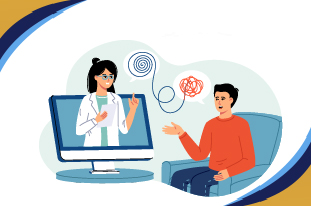
Now you can get treatments from the comfort of your home through our telepsychiatric services.
“Support is out there, and it may help you feel better.”
Book your appointments today!