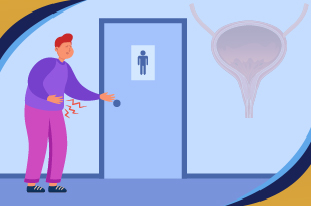
You check for the washroom every time you enter a new building. You suddenly need to pee, even though you just did twenty minutes ago.
In another example, before a flight, you feel the urge to urinate while sitting in the lounge.
If these conditions feel familiar, you are not alone.
This situation highlights the significant and direct link between anxiety and frequent urination, which is the central focus of this discussion.
So, what explains the strong connection between anxiety and frequent urination? Does anxiety make you pee more?
Anxiety and bladder problems directly influence one another. The recognition of this symptom and this two-way relationship is essential to grasping why anxiety can cause frequent urination.
For example, find yourself in a moment where your full bladder leads to anxiety, and you are finding a restroom to empty it before the big presentation. On the other hand, you can think about feeling anxious about an upcoming event, which heightens your bodily stress response and results in frequent urination even though your bladder is not filled with fluid.
This back-and-forth relationship shows how anxiety and bladder activity are intertwined and can impact each other significantly, as noted in Harold P. Drutz’s “Urogynecology and Reconstructive Pelvic Surgery.
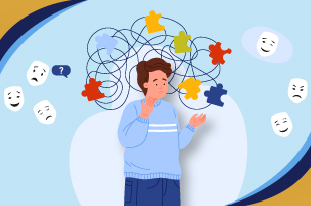
Anxiety doesn’t just cause a racing heart or sweaty palms; it also significantly affects the bladder. High stress is directly linked to bladder reactions.
However, this is an acute condition, and your doctor can help you determine whether this is an anxiety disorder that makes you urinate more frequently or if this is your bladder that makes you anxious.
Managing both conditions can require lifestyle changes, medication, and other expert advice.
Anxiety And Bladder Connection
Simply, we know that the brain communicates with the body parts through a complex network of nerves and hormones. When you experience anxiety, you feel urination more frequently.
When you are in a situation that develops anxiety, your body turns into a “fight or flight” response. This response triggers stress hormones adrenaline and cortisol that affect almost all the body parts, especially the urinary tract.
Rather than interpreting these signals as warning signs of immediate danger, try recognizing them as your body’s natural response to stress. This awareness can be the first step in managing your anxiety response more effectively.
This anxiety response increases the sensitivity of the nervous system and makes its basic reflexes, like bladder excretion, become more easily stimulated than usual.

First, let’s understand how your body processes urine and how the bladder works. When the bladder fills with fluid, nerves in the bladder wall send signals to the brain, indicating that it’s time to consider releasing the fluid. If the circumstances are right, the brain signals the bladder muscles to contract and the sphincter muscles to relax, which leads to urination.
Next, it’s important to see how anxiety can disrupt this process. Anxiety interferes with the communication between the brain and the bladder. Under stress, the brain becomes highly alert and switches to survival mode, which can disrupt the signals between the brain and the bladder. The brain might misinterpret minor bladder signals as a strong urge to urinate, although there is no need for it.
Physical Impact Of Anxiety on the Bladder
It is normal for the body to react when it feels stress or danger. This tension tightens the muscles around your bladder. The bladder squeezes and squeezes the urine to be emptied. Even if your bladder is not filled with fluid, this pressure makes you feel like you must go to the restroom right now.
What The Research Says About Urination And Anxiety?
Research validates that there is a clear bidirectional relationship between anxiety and urinary problems. It shows that nearly 48% of people with overactive bladder experience anxiety symptoms, with one quarter of them experiencing moderate to severe anxiety symptoms. Furthermore, those with anxiety report significantly more severe urinary urgency, frequency, and changing symptoms as compared to people without anxiety.
Muscle Tension And The Pelvic Floor
Muscle tension is a physical response to stress and anxiety. Although stress and anxiety may be responsible for tightness in your jaw or shoulders, it’s important to recognize that similar tension can also develop in your pelvic floor muscles.
Your pelvic floor is a group of muscles that support your bladder and other organs.
These muscles are crucial for controlling your urine flow. When you feel anxious, you might unknowingly keep them tight or contracted, sometimes without realizing it at all.
Chronic tension in the pelvic floor can lead to muscle fatigue, meaning the muscles lose strength and flexibility. When fatigued, these muscles may not relax when needed or may go into spasm, creating a sudden urge to urinate. This is a common physical response to ongoing emotional stress.
When Stress Hits the Bladder: How Cortisol and Adrenaline Fuel Urgency
You are in a situation before an exam, your heart is pounding, and you might start to feel an urgent need to head for the restroom. This isn’t just nervousness; a stressed body releases brain chemicals such as cortisol and adrenaline. These chemicals flow through the bloodstream, affect various organs, and the bladder is one of them.

Adrenaline prepares the body for action. It speeds up the heart and directs blood flow to the muscles. It also influences how the kidneys respond.
The Link to Overactive Bladder (OAB)
For some individuals, anxiety is not just a trigger for occasional urgency; it links closely to a chronic condition known as overactive bladder. For others, it is a temporary response to a stressful situation. In both these cases, the urge is real, even if the bladder is empty.
Overactive Bladder (OAB) involves a pattern of sudden, frequent urges to urinate. The most common symptoms are a sudden, uncontrollable urge to urinate. Many people with OAB also experience frequent urination, such as eight or more times in 24 hours.
How to Manage Anxiety-Induced Urination
If your doctor rules out infection and other causes in the bladder, the focus shifts to the management of anxiety, and you need to check with psychiatrists.
Your psychiatrists can help manage your brain, which will help to retrain your bladder. Here are effective strategies to regain control.
Cognitive Behavioral Therapy (CBT)
CBT is one of those things that actually works for anxiety. It is about noticing the thoughts that disturb your mind and learning how to swap them and help you breathe a little easier.
For example, therapy helps you to find ways to reduce anxiety, like taking slow, deep breaths so your body and breathing calm down. When you do this, you focus on your breathing instead of what is making you anxious.
So if you are dealing with bladder anxiety, CBT helps you face those worries about accidents, being social or feeling embarrassed in a presentation. You work with someone who helps you neglect the idea that you need to close the restroom. They help you how to stop anxiety urination. As your anxiety drops, your body gets the message too.
Bladder Retraining
Bladder retraining is about teaching your bladder to hold on a little longer each time. It is about sticking to a need to pee when your bladder is filled with fluid. You set the time to use the bathroom every hour or two.
Little by little, you stretch out the time between bathroom breaks. After one hour, you take a time gap of ninety minutes, and then 2 hours, this is a practice to teach your bladder how to be relaxed and nerves to calm down.
Pelvic Floor Physical Therapy
If tight muscles are causing trouble, physical therapy can help. A pelvic floor physical therapy is basically a guide for muscles you never think about. The therapy will help you spot when your pelvic floor is tense, and how to let it go. Sometimes, they use biofeedback, which is just a way to see your muscles working on a screen. When you learn how to relax those muscles, the pressure on your bladder eases up.
When to See a Psychiatrist
You should see a psychiatrist if needing to pee often makes it hard to live your normal life. If you skip social events, panic before a presentation, or are afraid to be judgmental before people, then it’s a serious problem, and you should seek help from a psychiatrist. They will help you reduce your symptoms and live a normal, balanced life.
Psychiatrists at Orange Coast Psychiatry are experts with years of experience in dealing with anxiety and its related problems. If you are having trouble dealing with anxiety and it’s disturbing your life, you can contact us anytime by sending us an email or by calling us. We are open to help you with all the mental health issues and help you live a better, calm and normal life.