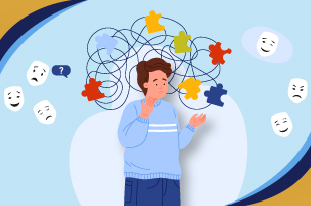
Why Masking ADHD Symptoms and the Price It BringsAttention deficit hyperactivity disorder, also known as ADHD, affects how a person thinks, moves, and interacts with the world. And if the person hides his symptoms, it is called ADHD masking.
The reason for this act is that it is human nature to look perfect and fit in with others. They want to look normal to those around them and especially to their loved ones.
When you mask in ADHD, you try to act in a way that matches what society expects. This is not an easy choice; rather, it is often a way to get by in a world that does not always understand how your brain works.
What is the Act of Masking ADHD?
To mask means to camouflage the inner self, sometimes subconsciously and sometimes consciously. It is a way to survive in society.
People who have ADHD often feel that they act in the wrong way or do too much for others. They may feel that they are too loud, too messy, or too distracted. So to avoid these comments, they mimic the behaviors of others who don’t have ADHD. This is not likely to deceive others for a bad reason; rather, it is a way to find safety and to avoid the pain of rejection.
What Does ADHD Masking Look Like?
ADHD masking can look like trying ways to fit in, such as being super organized, making lots of lists and setting alarms. Although many people use these tools to keep themselves alert and manage life, AHDHers might use them to hide that they have had a hard time managing things.

In another way, it is like forcing yourself to sit still so no one sees you fidget, coping with how others act, making efforts to stay focused in conversation, and showing you are paying close attention, even if you are having a hard time focusing.
On the outside, you look organized and calm, on the inside, you feel very stressed because you have to put in extra effort to finish the task than your office colleagues or classmates.
It is important to remember that seeking support can help ease these challenges. Contacting professionals can help ease these challenges. Besides, you can also reach out to your friends or family members to boost your confidence and let them understand your situation.
General Signs Of ADHD Masking
Here are some common ways masking and ADHD appear in daily life.
- Remain silent for a long time and choose careful words so you might not be pointed out, or interrupt others.
- Repeatedly checking pockets or bags to confirm you have not forgotten anything.
- Behave as expected in class, although you feel very differently inside.
- Appearing fine outside, but inside, you feel restlessness.
- Make space tidy, and be overwhelmed by it.
- Focus too much on listening that you still end up missing the main point.
- Always trying to appear as if you have everything under control, so no one notices how much you are struggling.
- Always making your mind conscious of how to behave like others and look normal.
Effects of ADHD Masking
ADHD masking is not just about hiding the symptoms; it has many effects that can be wrong and right. When day after day, you hide your inner self, that can have serious consequences. Let’s talk about what happens when you spend your days hiding your ADHD.

- ADHD masking can hide symptoms, which can lead to a delay in diagnosis. In fact, according to studies like add.org, suggested that up to 50% of adults with ADHD go undiagnosed or misdiagnosed due to their ability to mask symptoms. This delay can mean a major loss of time and can affect crucial areas of life, such as work and relationships.
- You might not even realize that you have ADHD. Instead, you just feel down, off, or anxious. In fact, you are not alone; many people with ADHD experience the same feelings. Recognizing these feelings is a common part of learning about ADHD, and understanding this can help reduce shame and isolation.
- Sometimes, in an effort to cope, you might find yourself turning to things like alcohol or food to ease the feelings of distress, or reaching for anything that might bring a sense of calm. It’s understandable to seek comfort in these ways, as they offer temporary relief from the overwhelming emotions. However, they can also create additional challenges over time. Recognizing this, it’s important to gently explore healthier alternatives that can provide more sustainable support and nurture self-compassion. Practices such as mindfulness, exercise, or seeking support from friends or mental health professionals can be effective in managing these feelings.
- Masking doesn’t make the stress go away. It just moves it inside, where nobody else can see it. You keep going, undiagnosed, because you have learned to hide it so well, even from yourself.
- After a while, it gets hard to tell what’s real and what’s just an act. You start to wonder if you even know who you are, or if you’re just playing a part so people will accept you.
- Masking in ADHD can lead to other mental health disorders like anxiety and depression.
- When facing ADHD related challenges, you can’t ask for help from others.
- Always remaining alone and isolated.
Yet, it’s important to remember that self-discovery is possible, and support is available. Seeking help from mental health professionals, joining support groups, or engaging in self-reflection can help in understanding your true self. You are not alone in this struggle, and with the right resources, it’s possible to unmask and embrace who you truly are while finding acceptance and hope.
Managing ADHD Masking
Hope is still available.
Many people with ADHD learn to mask their symptoms to fit in with what others expect. Using the creativity and energy that come with a ‘race-car brain’ can feel freeing. If you notice yourself hiding your ADHD traits, you can find ways to manage them while staying true to yourself.
Unmasking means accepting every part of who you are, not changing your real self. Life often feels better when you face your challenges instead of hiding them.
Here are a few ways you can begin:
- Notice which ways of hiding your ADHD actually help you and which ones make life harder. For example, keeping your home tidy might be helpful, but trying to make everything perfect can cause stress. Saying sorry too often or always trying to please others are also ways of masking that can make social situations tougher. When you spot these habits, you can start to work on them in a way that helps you.
- Try to face your feelings instead of pushing them aside. You can start small by writing your thoughts and emotions in a journal. Begin with an unfiltered ‘shitty first draft.’ This can help you get past perfectionism and let your real thoughts come out without judging yourself. Messy pages mean you are making progress, not failing. You could also talk about your feelings with a trusted friend who understands, or reach out to a therapist or coach who knows what you are going through.
- Remember, you’re not alone in what you’re going through. Connecting with others who have similar struggles can help you feel less isolated. You might want to join a support group for people with ADHD. You can look for local meetups or check out online groups, like those on Facebook or ADHD forums. If you’re unsure, try spending 15 minutes just browsing an online group without joining in. This low-pressure step can make it easier to start building connections. Look for a community where you feel safe to share and be yourself.
Treatment Options For ADHD Masking
Treating ADHD masking often starts with therapy, such as CBT, DBT, or ACT. These approaches help you change negative thoughts, understand your needs, set boundaries, and feel comfortable being yourself.

Therapy is usually combined with other ADHD treatments like medication and coaching to manage symptoms. The aim is to make it less exhausting to hide your symptoms and improve your well-being. If you want to start reducing masking, try reaching out to our therapists or psychiatrists who know about ADHD.
Therapy & Guidance
Cognitive Behavioral Therapy (CBT)
This is the first and most common and effective way to help you recognize and change perfectionist or self-critical thoughts that can lead to masking. It can also reduce anxiety and depression. In CBT, you might keep track of your thoughts and practice being kinder to yourself. For example, if you think, ‘I must be perfect to be accepted,’ you can learn to challenge that and replace it with, ‘I am valued for who I am, not just my achievements.’
Dialectical Behavior Therapy (DBT) & Acceptance and Commitment Therapy (ACT)
These therapies help you recognize your strengths and be true to yourself. Therapists encourage self-kindness and help you build emotional resilience. By learning to see your differences as valuable, these therapies can reduce shame and self-judgment linked to masking. DBT teaches mindfulness skills to help you stay present and manage emotions. ACT uses exercises to connect your actions with your core values, which further help you feel more authentic.
Taking help from therapists who understand neurodivergence can give you better support and help you feel understood as you work on reducing masking neurodivergent ADHD. Try to find professionals with experience in executive-function coaching who work together with their clients.
How Can We Help?
Our expert professionals can help you support your needs. At Orange Coast Psychiatry, we have expert psychiatrists and knowledgeable practitioners who know all the symptoms of ADHD and its related disorders. If you or your loved ones are masking their ADHD symptoms, you can contact us. We provide every type of facility, like in-person or telehealth psychiatry options, to reduce your struggle to fight mental health disorders and make a progressive life ahead.