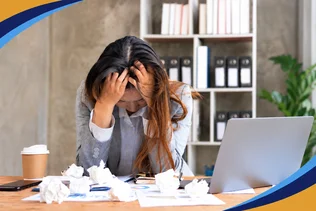
Anxiety is an intense mental state that is not limited to a particular person or gender. Both men and women experience anxiety at some point in their lives. Mild anxiety is indeed just a normal part of life. Everyone feels depressed and anxious from time to time. When anxiety symptoms are chronic and exhausting, they become a clinical anxiety disorder. However, men often suppress these symptoms and their emotions. They try to ignore these feelings rather than express anxiety outwardly. Our society taught men that it is a sign of weakness to talk about mental health struggles and anxiety issues.
Let’s discuss what an anxiety attack in men looks like, its symptoms, and treatments.
Although anxiety disorder affects both genders, men and women, the symptoms expressed by both genders may not be the same. Where womens experiencing anxiety disorder feel fear and overwhelm, symptoms of anxiety in mens on the other hand, often come out in the form of irritability, anger, and risk-taking behaviors. Similarly, physical symptoms may also be distinctive. The reasons why anxiety looks different in men versus womens consist of several factors, such as gender differences and, most importantly, how culture expect man to handle challenges and daily life stress.
This guide highlights how anxiety comes out in men, what the causes are, and why men can’t understand their anxiety: is it societal conditioning or just ignorance? We will also find out how to help your partner with anxiety by seeking timely professional support.
What Are Anxiety Symptoms in Men?
Anxiety is not only about having sweaty palms and butterflies in your stomach. Symptoms may involve fear and impending doom, and ongoing worried feelings. These symptoms are so intense that they interrupt your abilities, relationships, and sleep schedule.

- Physical Symptoms of Anxiety are:
- Throbbing or racing heart
- Excessive sweating
- Muscle tension
- Agitation or restlessness
- Spinning sensation or dizziness
- Choking sensation or shortness of breath
- Insomnia
- Panic Attacks
Emotional Symptoms of Anxiety are:
- Constant feelings of worry about what could go wrong
- Dreadful feelings
- Struggle concentrating
- Avoidance
- Catastrophic thinking
- Edginess or irritability
- Being overly observant of danger
- Absent mindedness
- Fear of losing control
What Types of Anxiety Do Men Experience?
There are some major types of anxiety disorders in men that they can experience in their lives.

Generalized Anxiety Disorder (GAD)
Generalized anxiety disorder symptoms involve excessive and intense worry and stress about daily events. There is no reasonable cause behind the worry in GAD. Men with this disorder are always anticipating the next disaster in their lives. They are unable to stop worrying about common things like health, family, relationships, work, and money matters.
Social Anxiety Disorder (SAD)
Often, men experience social anxiety disorder with intense fear and avoidance. They avoid certain social situations and gatherings. They do this to prevent fear and panic that they usually feel in such social situations. This anxiety disorder can interfere with their social relationship and daily life.
Panic Disorder
Panic disorder has symptoms like repeated anxious feelings that come out of the blue. These feelings are fearful and overwhelming. Moreover, it also includes physical symptoms such as chest pain, dizziness, shortness of breath, abdominal pain, and heart palpitations.
Post-Traumatic Stress Disorder (PTSD)
Post-traumatic stress disorder involves anxious feelings after an extremely traumatic event in life. It is a psychiatric disorder that can occur after a man experiences a few severe events in his life. These events can be an accident, a war or combat, a natural disaster, an unexpected or extremely violent death, or any other traumatic event.
Obsessive Compulsive Disorder (OCD)
Obsessive-compulsive disorder has symptoms like repetitive thoughts, sensations, and overwhelming ideas. These ideas are so powerful that they often drive men to repeat some acts in trying to stop their thoughts.
How Anxiety Looks Different in Men
Understanding how anxiety looks different in men starts by recognizing its signs. It rarely announces itself in men as fear and hides behind behavior that looks like personality traits or stres.s The following are some of the signs of anxiety in men that will help us to understand it.
Irritability and Anger Instead of Fear
Anxiety often comes sideways in many men. They show signs like losing patience with coworkers or partners, or constant annoying feelings, instead of saying I feel overwhelmed.
American Psychological Association reveals that men externalize distress. It means their anxiety comes out as irritability or anger instead of sadness. They think that anger is more socially acceptable for men than showing signs of fear and anxiety. If a man feels always filled with intense energy or reacts quickly, then it may be anxiety underneath.
Physical Symptoms that Get Overlooked
Usually, men experience or feel anxiety in their bodies first:
- Tightness in the shoulder or jaw
- Headaches
- Digestive issues
- Restlessness
- Difficulty sleeping
- Chest tightness or shortness of breath
Overworking and Avoidance
Men often hide anxiety through overworking and productivity. They stay constantly busy at work because it feels uncomfortable to slow down. Moreover, they try to avoid anxious thoughts through work, gaming, intense workouts, or nonstop responsibilities. This can look like a disciplined ambition from the outside. But inside, it feels like you can never relax fully.
Substance Use and Risk-Taking
Most men deal with anxiety through blunting the effects of their experience. Men are more likely to engage in risky behaviors such as using alcohol and drugs than women. In other cases, drinking may be the only solution to a restless mind.
The need for adventure and thrill through risky activities such as gambling and high-speed driving may be another method of coping with anxiety. Such strategies may offer temporary relief. But in reality it tends to worsen the condition and give rise to additional challenges.
It is not necessary for anxiety in men to manifest in the form of panic attacks. Sometimes it may come across as controlling behavior, intensity, avoidance, or tiredness.
What Causes Anxiety in Males
Let’s understand what causes male anxiety. There is no single cause of someone having anxiety. Someone struggling with anxiety or a specific anxiety disorder is due to contribution or combination of many factors. The following are some common causes of anxiety across genders.

Genes
Genetics commonly plays a role in anxiety disorder development. It means that if you have any close relatives struggling with anxiety, it may increase the chances that you too can develop. This might be because of heredity or an early encounter with anxiety, along with its actions.
Biological Factors
The neurobiological mechanisms of anxiety are similar in all genders. Hormonal differences can influence how a man expresses or experiences symptoms. Testosterone levels are usually high in men, and can affect how their brain processes fear or threats.
Psychological Factors
Cognitive processing is also one of the reasons for anxiety triggers. Men externalize emotional distress and cover it with outer behavior, rather than experience it as a psychological sign.
Traumatic or Stressful Experience
Significant past or present traumatic events can trigger anxiety. These can involve financial worries, excessive work stress, and experiencing a relationship breakup. Childhood also plays a vital role in the development of anxiety. Victims of abuse or neglect in childhood have more chances to struggle with anxiety or other mental health problems in their adult life.
Other Health Problems
If you are suffering from any sort of illness, whether it be physical or psychological in nature, chances are that it could be a cause for your anxiety issues. When there are continuous physical illnesses with which a person has to live constantly in pain, there’s a chance they will develop anxiety disorders. Other mental illnesses, such as depression, can make you more susceptible to anxiety.
There is also the matter of prescription drugs; anxiety is listed as one of their possible side effects.
Lifestyle Factors
Many lifestyle aspects can also cause anxiety or worsen existing anxiety. These factors are like your diet, sleep quality, substance use, and how active you are. Particularly, men often find themselves using drugs or alcohol when experiencing anxious feelings. This can worsen the symptoms and create a cycle of anxiety. Excessive alcohol use also causes intense anxiety. It is because some people feel on edge, nervous, and are unable to relax after drinking.
Social and Cultural Factor
Most significantly, our society’s masculine cultural norms strongly shape how men express anxiety.
- Men are typically taught to repress their vulnerability and emotions from an early age.
- Traditional masculinity emphasizes self-reliance, stoicism, and strength.
- Often, men lack the emotional tendency to express their anxious feelings.
Why Men Don’t Recognize Their Anxiety?
Many men often live with anxiety for years and do not recognize it. Society taught men to handle problems on their own from a young age. They learn not to show their weakness to anyone. Moreover, they suppress their emotions of fear and vulnerability rather than understand.
So when they experience anxiety, they reframe it, such as,
- I am just stressed
- I have a short temper
- This is just how I am
- I just need to work hard
Pushing through emotions becomes automatic over time. But ignoring the signs of their anxiety does not reduce it. It typically makes it worse in the body, life, or relationship.
When to Seek Professional Support
You need professional help when anxiety symptoms persist longer and interfere with your work, sleep, or relationships. Early intervention is essential to prevent symptoms from growing. A proper and right treatment will offer you tools to improve your overall well-being.
Anxiety Treatment for Men
Anxiety is not a flaw in your character. Indeed, it is a treatable mental health problem. Effective treatment not only calms you down but also calms the nervous system. It helps you shift thought patterns and build practical coping skills in real life. Some effective treatments can treat anxiety in men, including,
Cognitive Behavior Therapy (CBT)
It is a talk therapy to help people identify negative thought patterns and behaviors that cause anxiety. Cognitive behavioral therapy is an evidence-based, highly practical therapy. It focuses on providing strategies to handle daily stress, panic, or worries. A person with anxiety will learn to manage the emotional distress, negative thoughts, and behaviors, and replace them with positive patterns through CBT.
Why CBT Works Effectively for Men:
CBT helps with,
- Reframe thinking patterns: Addressing the all-or-nothing thoughts that initiate the fight-or-flight reaction.
- Focus in action: Concentrating more on solving problems, engaging in behavioral experiments, and exposure instead of endless emotional rumination.
- Measurable solutions: Giving worksheets to do based on goal-directed and project-oriented thinking.
Dialectical Behavioral Therapy (DBT)
It is also an evidence-based framework therapy. Dialectical behavioral therapy DBT helps men handle their anxiety effectively. It works with the combination of mindfulness and practical tools that regulate emotions. Moreover, it helps you to cope with intense emotions and feelings more effectively.
Why DBT Works Effectively for Men
This therapy focuses on a skills-based approach rather than just talk therapy. It often works well for men because they prefer a strong problem-solving mindset.
- DBT takes intense anxiety as a skill deficit rather than a weakness of a person.
- It helps men to move from past distractions, anger bursts, or avoidance that trigger anxiety.
Medications
The other solution for anxiety in men is medications. Your psychiatrists may recommend some medications with therapy for better results. There are a few main types of medications used to reduce anxiety in men, such as
- Antidepressants
- Benzodiazepines
- Busiprone
Psychiatrists also provide psychiatric medication management, because it is necessary to know how to take a proper dose of the medications. It is essential for better results and to prevent side effects.
Final Words
Identifying and addressing anxiety disorders enhances masculine strength. True adversity is understanding our emotions and managing them effectively, rather than denying. Men who seek professional help through therapies realize that addressing anxiety relieves their symptoms and improves their professional and personal lives.
Orange Coast Psychiatry is the leading trustworthy mental health care provider in California. We are offering effective and personalized treatment plans for anxiety or all other mental health conditions. If you recognize that you or your loved one is experiencing anxiety, just book your consultation with our expert team of psychiatrists. We are offering both in-person and telepsychiatry services for all mental health disorders.