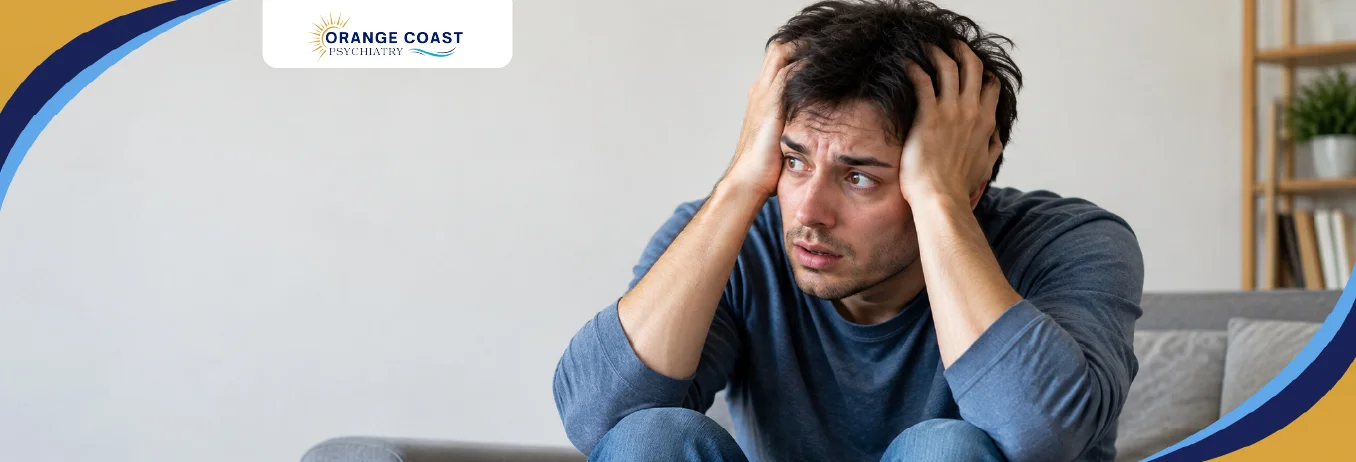
It’s been more than half a decade since the world of health shifted from traditional visits to online care during the COVID-19 pandemic. This has created a huge demand for online health care, especially in mental and behavioral health. Fast forward to today: one-third of patients currently prefer telehealth care over in-person treatments, and 96% of psychiatrists offer virtual access to mental care, according to a study by Das et al. But this shift raises a debate: Online Therapy vs In-Person Therapy- which is better?
This guide answers it by walking through pros, cons, effectiveness rate, and many other factors, so you can evaluate which option is right for you.
Short Answer
Telepsychiatry is a rapidly growing treatment format over the past few years that people are moving towards. The reason is easy access and efficient care equivalent to in-person care, especially in treating conditions like anxiety, depression, OCD, etc, based on several meta-analyses.
However, both formats have unique characteristics and drawbacks. Telepsychiatry avoids appointment delays; still, it has challenges in physical assessments and communication. In contrast, face-to-face care ensures in-depth analysis of conditions, a trusted relationship, and patient safety, but it has poor continuity of care.
So, the decision of whether to see a therapist online or in person, or which format is better, depends on the level of care required, individuals’ personal preferences, and lifestyle.
Key Takeaways:
Online therapy offers convenience and free from barrier access to mental health care. But has limitations in non-verbal communication
In-person therapy ensures more comprehensive evaluation. It helps gather more data about patients’ mental health. It also ensures better engagement in sessions and builds a strong relationship. But it has a limited number of daily appointments and long wait times.
The demand for remote mental health treatment is growing, especially among young adults, but the majority still support in-person visits.
Studies positions telepsychiatry and in-person visits as equivalent in treatment outcomes and overall therapeutic alliance.
What is Online Therapy?
Telepsychiatry means accessing mental healthcare online via a live video call or audio call. It involves connecting with a psychiatrist remotely via a HIPAA-compliant connection using a smartphone or any digital device. Online psychiatry allows individuals to attend therapy sessions online without the need to travel.
No Delays, Less stress. Don’t have to worry about timing or transit. This new treatment format for accessing mental health is highly useful, especially for a specific population, including those who can’t travel to a treatment center due to:
- Transportation challenges
- Busy daily schedules
- Mobility issues
What is In-Person Therapy?
In-person therapy is a traditional visit to a psychiatrist or a mental healthcare center for any specific mental health treatment. It includes one-on-one consultation with a psychiatrist in a private setting. It ensures confidentiality and allows you to discuss conditions without hesitation.
Get Listened To, Understood, and Feel Supported: A collaborative space for patient-centered care.
Understanding both- care through a screen and physical visits- let’s find out which treatment format patients prefer to receive care.
Which is Common? In-Person OR Virtual Care
Every person’s preferences vary, and travel, examination needs, and clinical context are among the factors in the decision. However, studies indicate that traditional in-person visits are significantly more common overall.
Treatment That Prioritizes Your Preference
Want to meet your psychiatrist live or benefit from on-screen care? Orange Coast Psychiatry has you covered. We offer in-person treatment in Anaheim, Los Angeles, Irvine, and Chino Hills, as well as virtual treatments, allowing patients to select the option they are comfortable and confident with.
Make an informed selection with doctor guidance and prioritize your preferences to recover at your own pace.
Make Your Decision
Advantages of Online Therapy

Online therapy has numerous advantages, and convenience is one of them. Several psychiatrists often recommend online therapy and counseling to individuals at different stages of treatment. While online psychotherapy has some limitations, its advantages are still undeniable, including:
Convenience
Convenience is the defining feature of online therapy. It is one of the top reasons behind its increased demand. Tele-mental health services allow patients to receive care without extra effort. It reduces travel time and avoids long waits sitting in a psychiatrist’s clinic– where every tick of a clock feels heavier and increases anxiety.
Online therapy provides the best solution to this, allowing individuals to access care around their daily schedule. It ensures seeking mental support won’t cause any major disruption in your life.
Accessibility
Virtual mental support removes accessibility barriers. It allows patients to receive care no matter where they are located. As 27% of the US population is dealing with disabilities, according to the Centers for Disease Control and Prevention, teletherapy is highly beneficial for those with mental challenges alongside.
Also, 95.6% of patients when they take the first step toward health support to break the silence, encounter at least one barrier. These barriers vary for each person, but the majority highlight barriers including fear or judgment, workplace repercussions, and a shortage of certified providers. Poor transportation facilities are the biggest challenge for individuals living in rural areas. So, for all these problems, telepsychological and remote behavioral therapy are great options.
With online care, busy employees don’t need to take time off from the office. New mothers experiencing postpartum depression don’t have to make a compromise on infant care, nor do children have to worry about commitments. Patients with mobility issues also remain comfortable accessing care from home.
Wider Choices
Wider access; more choices. Another factor that edges remote mental health therapy over in-person appointments is the great availability of certified psychiatrists. Individuals living far from big, developed cities don’t remain limited to neighbourhood mental health doctors. Teletherapy allows them to connect with certified psychiatrists statewide. They can choose a matched psychiatrist with proficiencies in treating specific mental disorders.
Comfort of Home
There is nothing like staying at home for real comfort.
Taking a step towards mental wellness feels easier from home. Online mental care allows patients who don’t feel comfortable with a clinical environment in the initial stages to receive care from home. Being in a familiar, confidential space helps individuals speak freely and share symptoms with a professional without social stigma, making treatment more efficient.
Continuity of Care
In most cases, people don’t require specialized clinical attention but guidance, which becomes difficult due to long transit times and other roadblocks. This results in a massive loss in mental health and also affects the overall treatment. With virtual counseling, regular follow-ups and support during setbacks are no longer difficult. You can connect with your healthcare provider whenever required to ensure continuity of care and prevent medical mistakes.
Advantages of In-person Therapy
Direct Interaction. Fewer Distractions. A space where someone is with you, supporting you.

In-person therapy is widely used. It addresses what teletherapy often misses and highlights what online psychiatry hides. That’s why the majority of psychiatrists recommend an in-person evaluation of the condition for specific mental health conditions.
Here are some of the advantages of face-to-face therapy:
Dedicated Therapeutic Space
While a home-like setting is comfortable, a dedicated therapeutic space combines professionalism, safety, and set therapeutic boundaries. By joining in-person therapy, you get a dedicated space- quiet and confidential- something different from a daily-life environment, built just for healing.
A clinical space with no stress, noise, and zero distractions creates a peaceful environment for therapy. It helps keep your mind focused throughout the session. You actively listen to your provider and feel confident in expressing thoughts and emotions.
A purposefully built dedicated therapeutic space helps the brain distinguish the therapy environment through sensory input. Soft lighting and comfortable seating help calm the nervous system and reduce mental anxieties.
Also, therapists say that being physically involved in a therapy session makes you more aware of yourself. It lets you focus on mental health by listening to your thoughts and understanding your emotions, which actually feels like doing better for oneself.
Access to Therapeutic Tools
Another advantage of in-person therapy is the availability of the right therapeutic tools that teletherapy often misses. These tools help calm the nervous system, helping individuals feel more engaged and connected to the session. In in-person sessions, psychiatrists provide patients with mindful games or puzzles, therapy balls, sensory squeeze balls, and other useful tools. This helps lower mental exhaustion and ensure emotional regulation.
Nonverbal Communication
Mental illness is often expressed through nonverbal communication, such as body language, movement of body parts, micro facial expressions, and more. Noticing these expressions is crucial for psychiatrists to understand the whole person by taking a full picture of emotions and behaviors. Unfortunately, these signs often go unnoticed in e-therapy, as the screen only displays the patient’s face and upper body, such as the neck, shoulders, and chest.
Strong Human Connection
In-person therapy builds trust and makes a strong connection between the provider and patient. Also, it gives individuals a sense that someone is a part of their journey, they are not alone. A direct connection with a mental health care doctor is greatly helpful for patients with severe mental health conditions or people experiencing acute psychosis, for safety and encouragement.
Discussing the benefits of both treatment formats, in-person vs online therapy, let’s explore some of their disadvantages, as neither in-person nor virtual therapy is universally a one-off option for everyone.
Disadvantages of Online Therapy & In-Person Therapy

Here are some drawbacks or limitations of both treatment formats:
| Cons of Online Therapy | Cons of In-Person Therapy |
|
|
Online vs In-Person Therapy: What Studies Say?

Countless studies, meta-analyses, and surveys have been conducted so far comparing online and in-person therapy. The main purpose of all the major studies was to identify the effectiveness of care delivered through both formats.
Here are some of the studies and meta-analyses:
According to a meta-analysis by Annaleis K. Giovanetti, S. Punt, E. Nelson, and S. Ilardi, on Teletherapy Versus In-Person Psychotherapy for Depression, it was found that virtual therapy is more convenient and a better alternative to in-person therapy in terms of effectiveness for patients to manage depression symptoms.
Also, in another meta-analysis by E. Fernandez, Yilma Woldgabreal, A. Day, Tuan Pham, Bianca Gleich, and E. Aboujaoude on Live psychotherapy by video versus in-person, it is stated that virtual psychotherapy is not less responsive in treating the condition than in-person therapy, with a great effect in CBT for affective disorders.
In numerous studies, including these, surprisingly, there’s no noticeable difference in treatment outcomes between virtual and in-person mental health care. They indicate that both show equivalent outcomes in patients, especially those who are experiencing depression, social anxiety disorder, and panic disorder.
So, here is a question that often comes to mind: Is teletherapy as effective as in-person care? The answer is yes. Through both formats, high-quality care can be delivered. And if it is maintained throughout the treatment, great outcomes can be achieved with no major differences between online and in-person therapy. Also, the average session attendance percentage is higher for video therapy than for in-person therapy, another common finding of several online vs in-person therapy studies.
Note: Neither online therapy nor in-person therapy is better than the other. No research positions one format higher in terms of effectiveness. It depends on the level of care required and the person’s lifestyle– whether the selected option causes any disruption or withdrawal from other daily life responsibilities.
In-Person vs Online Therapy: Which Is Right for You?
The decision of whether to attend a therapy session in a healthcare facility or through a screen depends on the condition and personal preferences. However, most people love the hybrid model. Meaning they prefer completing treatment by combining both, where in-person therapy ensures direct communication with a psychiatrist and an online session saves time.
The hybrid therapy model may be beneficial for you, aligning perfectly with your needs and lifestyle. This allows you to be physically present in a mental health center for initial diagnosis and physical examination while offering the convenience of virtual follow-ups for medication adjustments and guidance.
Final Thoughts!
Both online and in-person therapy are great ways to receive mental health support. The popularity of virtual care is increasing after a surge in demand during COVID, while in-person therapy is still the most favourable option among the majority of people. Both treatment formats are effective and show equivalent outcomes. However, the choice of the better option is subjective. Also, based on the psychiatrist’s recommendations and preferences, it’s possible to switch from in-person to online or vice versa, matching care to your condition and aligning it with daily life.
Find Personalized Support Near You!
Orange Coast Psychiatry offers mental health therapy with a hybrid approach. Our certified mental health care providers diagnose you and prepare a personalized treatment plan, including the number of live one-on-one consultations followed by video care.
We are dedicated to providing holistic, personalized care to every patient for a variety of mental health conditions, including anxiety, depression, bipolar disorder, PTSD, OCD, ADHD, and more. We offer individuals the flexibility to select telepsychiatry or in-person treatment or both, depending on their needs and preferences, to ensure recovery feels supported, not forced.
OCP currently accepts new patients in our specialized mental healthcare facilities across the state, including Anaheim, Irvine, Los Angeles, and Chino Hills. We also accept insurance from our in-network providers for both of our treatment formats so Californians can receive care without financial barriers. Call us at +1 (714) 683-1472 for insurance verification!