Fear of Deep Water: What Thalassophobia Really Feels Like

Fear of Deep Water: What Thalassophobia Really Feels Like
Last updated: July 28, 2026 | Written & Reviewed by OCP Team

Thalassophobia is an intense fear of deep or open water. The meaning of thalassophobia goes beyond simply disliking the ocean. It involves overwhelming fear triggered by the depth, vastness, or uncertainty of large bodies of water. The anxiety can be so intense that it triggers physical symptoms. This leads to avoidance of water-related activities and interferes with everyday life.

Some people even experience anxiety when looking at underwater photographs, shipwrecks, or videos of the deep sea.
The good news is this condition is treatable. With evidence-based approaches such as cognitive behavioral therapy (CBT) and exposure therapy, many people learn to manage their fear and regain confidence around water.

Is Thalassophobia a Real Diagnosis?

Thalassophobia does not appear anywhere in the DSM-5-TR manual used by clinicians to diagnose mental health conditions.

But that doesn’t mean it isn’t real or treatable. This means the fear of vast or open water falls under a broader diagnostic category.

When someone’s fear of open water is persistent and causes significant distress, a mental health professional may diagnose it as Specific Phobia, Natural Environment Type. Rather than listing every phobia, the DSM-5-TR manual groups fears into broader categories. The Natural Environment Type includes fears related to heights, storms, and deep water.

The reason the DSM-5-TR takes this approach to specific phobias is that there are hundreds of phobias circulating in psychology. But the underlying clinical evidence and fear tend to be similar in all phobias. So, the manual organizes phobias by the type of trigger, such as animal, natural environment, blood-injection-injury, situational, or other. This allows clinicians to diagnose accurately by using the standard treatment protocols.

How Common Is Thalassophobia?

There is no official prevalence number for thalassophobia. This is because population surveys ask about specific phobias as a broad category instead of naming out every fear. Here is research on specific phobias for useful context.

Specific phobias are among the most common mental health conditions in the United States. National survey data from the NIMH estimates that specific phobias affect roughly 19.3 million American adults, or about 9.1% of the adult population, at some point in a given period. Looking across international studies, lifetime prevalence estimates for specific phobia generally fall somewhere between 7% and 12%, with some studies reporting cumulative lifetime incidence as high as 27% by age 50 when phobias are tracked prospectively over time.

A few consistent patterns show up across this research:

  • Age of onset tends to be early. Studies commonly find a median age of onset around 7 to 8 years old. Though phobias connected to specific experiences, such as a frightening event in open water, can develop at any age.
  • Women are affected more often than men. Across nearly every large study, specific phobias (including fear of water) are reported roughly twice as often in women as in men.
  • Most people don’t seek treatment. Effective treatment exists, but research suggests fewer than a quarter of people with a diagnosable phobia ever get it. Most just learn to live around the fear instead.

Fear of deep water rarely fades away. It tends to get more entrenched with avoidance. But it responds well to evidence-based treatment, often faster than other anxiety conditions.

How Do I Know If I Have Thalassophobia?

This phobia shows up differently for different people. It involves a combination of the following symptoms:

Emotional Signs

They often include a sense of panic that arrives quickly and feels out of proportion to the actual situation. Other symptoms are a persistent feeling of being trapped near or in deep water. Sometimes generalized anxiety builds in the days leading up to a planned trip involving water.

Physical Symptoms

These include a racing heart, shortness of breath, sweating, trembling, nausea, dizziness, or a tight chest. The body’s fight-or-flight response fires in full even when there’s no immediate danger. In more severe cases, this can develop into a full panic attack.

Behavioral Signs

This usually involves avoidance. A person with this phobia turns down invitations to the beach or a lake house. Other thalassophobia symptoms include refusing to go on boats, avoiding scuba trips or video games featuring open water. A person may also feel uneasy even in a swimming pool.

What Causes Thalassophobia?

Fear of depth of water develops through a mix of brain biology, personal experiences, and even instincts we are born with. The following are the causes you must know:

The Brain’s Fear Response

Fear is a survival mechanism. When your brain senses a threat, no matter if it’s real or not, the amygdala fires instantly. This triggers the fight-or-flight response before the prefrontal cortex intervenes. That’s why the fear hits hard. The body reacts to the threat immediately before using any logic.

This is also how fear conditioning works. The amygdala links the deep water with danger. So, every time you avoid water afterward, your anxiety drops immediately. The relief feels like confirmation that avoiding water was the right call. This situation happens repeatedly.

Common Causes

There are multiple factors causing fear of deep water; they include the following:

  • Near-drowning events such as surviving a terrifying water incident or disorientation underwater.
  • Encountering marine life such as sharks or whales during swimming can cause lifelong fear.
  • If you have a family history of anxiety, then you may be prone to developing a phobia like deep water.
  • Childhood experiences also cause water phobia. This is due to the parents’ or caregiver’s anxious behaviour around water.
  • Exposure to movies or news featuring oceanic monsters also causes this phobia.

What Triggers Thalassophobia?

Triggers for fear of open water vary from person to person. But the common ones include the following:

  • Oceans and open seas
  • Large Lakes
  • Rivers with strong currents
  • Deep pools
  • Dark water of any kind
  • Underwater photographs with vast depths
  • Deep-sea creatures and other deep-ocean species.
  • Sharks and other large marine predators.
  • Cruise ships and the sensation of being far from land.
  • Scuba diving and the experience of descending into darker water.
  • Snorkeling over reefs where the seafloor drops away suddenly.
  • Shipwrecks. For instance, images of sunken vessels.
  • Ocean documentaries, particularly ones exploring the deep sea.
  • Video games or films set in open or deep water environments.

How Is Thalassophobia Diagnosed?

Diagnosis for fear of vast water bodies usually relies on clinical assessment from a licensed psychiatrist or psychologist. They will evaluate your history, intensity, and impact of fear. During assessment, your provider will ask questions like:

When did you first notice this fear?

  • Is there any triggering event?
  • How intense are your reactions?
  • What physical symptoms do you experience?
  • Have you developed avoidance patterns?

Are there other anxiety symptoms or co-occurring conditions?

This diagnosis process also involves ruling out other similar conditions that may overlap with or be mistaken for fear of deep or vast water.

Can Thalassophobia Be Treated?

Yes, it is highly treatable. The treatment involves therapies such as cognitive behavioral therapy and exposure therapy. These help people reduce their fear, overcome avoidance, and regain confidence around deep or open water. However, recovery varies from person to person. Most people achieve lasting improvement with the right treatment.

How to Overcome Thalassophobia?

It takes time to overcome the fear of deep water. But it is possible with the right support and evidence-based treatment. The following are the most effective approaches to treat this condition:

Cognitive Behavioral Therapy (CBT)

CBT is one of the most effective treatments for fear of vast or deep water. It helps you recognize thoughts that fuel your fear, such as believing something dangerous is hiding beneath the water. CBT also helps you gradually change the avoidance habits that reinforce the fear. Thus, making it easier to feel more confident and in control over time.

Exposure Therapy

Exposure therapy helps to gradually face your fear in a safe environment instead of avoiding it. The repeated therapy teaches your brain that deep water is not as dangerous as it believes. This helps reduce anxiety and also builds confidence. The common approaches include the following:

In Vivo Exposure: It involves directly confronting the feared object.

  • Imaginal Exposure: This involves vividly visualizing and writing about the traumas and fears.
  • Introceptive Exposure: In this, feared physical sensations are deliberately induced in a safe environment.
  • Thalassophobia Compared to Other Water-Related Fears

There are a few water-related phobias that are often confused with fear of deep water. They include megalophobia, aquaphobia, and fear of the ocean. These terms are discussed in the table below:

FeatureFear of the OceanThalassophobiaAquaphobiaMegalophobia
Focus of the fearThe ocean or seaDeep, open, or vast bodies of waterWater in generalExtremely large objects
Common triggersRough waves, marine life, storms, or other real safety concernsOceans, deep lakes, open water, limited visibility, or the unknown beneath the surfaceBathtubs, showers, swimming pools, rain, or even drinking water in severe casesWhales, cruise ships, submarines, skyscrapers, large statues, or other massive structures
What drives the fear?Usually linked to a specific danger or negative experienceThe depth, vastness, or uncertainty beneath the water’s surfaceWater itself or situations involving waterThe immense size or scale of an object, regardless of whether it’s in water
Limited to water?YesYesYesNo
Impact on daily lifeMay or may not interfere with daily activitiesCan affect travel, recreation, swimming, and other everyday activitiesCan range from mild to severe and interfere with daily lifeVaries depending on the severity of the fear
When treatment may helpIf the fear is persistent or limits daily lifeIf the fear causes distress, avoidance, or interferes with everyday activitiesIf symptoms are persistent or disruptiveIf the fear significantly affects daily functioning

concentration. A systematic evidence map of dozens of studies backs this pattern up.

Some studies have found that being near or on water, even briefly, is associated with lower heart rate, reduced psychological distress, and a greater overall sense of calm.

But that calming effect isn’t universal. For someone with thalassophobia, the same water that soothes most people triggers the opposite reaction entirely, and it comes down to what the water represents rather than the water itself.

Why Do Oceans Feel Calming to Some People but Frightening to Others?

One of the more interesting angles on thalassophobia is how it contrasts with the way most people experience water. Environmental psychologists use the term “blue spaces” to describe natural or human-made environments where water is the dominant feature: oceans, lakes, rivers, and coastlines.

A growing body of research links time spent near blue spaces to measurable improvements in mental wellbeing. Think reduced stress, better mood, and a gentle, restorative kind of attention, different from the effort of focused concentration. A systematic evidence map of dozens of studies backs this pattern up.

Some studies have found that being near or on water, even briefly, is associated with lower heart rate, reduced psychological distress, and a greater overall sense of calm.

But that calming effect isn’t universal. For someone with thalassophobia, the same water that soothes most people triggers the opposite reaction entirely, and it comes down to what the water represents rather than the water itself.

Get Expert Thalassophobia Treatment at Orange Coast Psychiatry

Fear of vast or deep water can’t limit your life. At Orange Coast Psychiatry, our board-certified psychiatrists provide compassionate care according to your unique needs. We help you overcome avoidance and regain confidence around deep water.

Get personalized treatment plans along with in-person and secure telepsychiatry appointments. Not only this, but we also provide weekend appointments and ongoing follow-up care to support your progress at every stage. We also accept most major insurance plans and offer medication management when clinically appropriate. This makes it easier to access the care you need.

Schedule your appointment today and take the first step toward overcoming thalassophobia with Orange Coast Psychiatry.


Frequently Asked Questions

Yes. Without treatment, thalassophobia may become more severe as avoidance increases. Avoiding beaches, boats, pools, or even images of deep water can reinforce the fear and make future situations feel even more overwhelming. Early treatment can help prevent the phobia from interfering with daily life.

Yes. Knowing how to swim does not prevent thalassophobia. Many people with this phobia feel safe in shallow water but experience intense anxiety in deep lakes, oceans, or places where they cannot see the bottom. The fear is usually related to the depth, vastness, or uncertainty of the water rather than swimming ability.

Yes. Many people with thalassophobia continue to travel by planning and using coping strategies recommended by their mental health provider. If your fear affects vacations, cruises, or flights over large bodies of water, therapy can help reduce anxiety and improve your confidence.

Yes. Some people experience panic attacks when they are near deep water or even when thinking about it. Symptoms may include a racing heart, shortness of breath, dizziness, trembling, and a feeling of losing control. If panic attacks occur frequently, it is important to seek a professional evaluation.

Recovery varies from person to person. Factors such as the severity of the phobia, how long it has been present, and participation in treatment all influence progress. Many people notice meaningful improvement with evidence-based therapies like cognitive behavioral therapy and gradual exposure therapy.

Blog Outline

Latest Post
Expertise You can Trust
Our expert mental health care providers give their perspective across a wide range of subjects, current topics, mental health struggles, and services to help you live a better life.

Blog Outline

Frequently Asked Questions

Yes. Without treatment, thalassophobia may become more severe as avoidance increases. Avoiding beaches, boats, pools, or even images of deep water can reinforce the fear and make future situations feel even more overwhelming. Early treatment can help prevent the phobia from interfering with daily life.

Yes. Knowing how to swim does not prevent thalassophobia. Many people with this phobia feel safe in shallow water but experience intense anxiety in deep lakes, oceans, or places where they cannot see the bottom. The fear is usually related to the depth, vastness, or uncertainty of the water rather than swimming ability.

Yes. Many people with thalassophobia continue to travel by planning and using coping strategies recommended by their mental health provider. If your fear affects vacations, cruises, or flights over large bodies of water, therapy can help reduce anxiety and improve your confidence.

Yes. Some people experience panic attacks when they are near deep water or even when thinking about it. Symptoms may include a racing heart, shortness of breath, dizziness, trembling, and a feeling of losing control. If panic attacks occur frequently, it is important to seek a professional evaluation.

Recovery varies from person to person. Factors such as the severity of the phobia, how long it has been present, and participation in treatment all influence progress. Many people notice meaningful improvement with evidence-based therapies like cognitive behavioral therapy and gradual exposure therapy.

Reference and Footnotes
Latest Post
Factitious Disorder
Factitious Disorder Explained Signs & Treatment 

When someone repeatedly appears ill, seeks frequent medical care, or undergoes numerous tests, it can be difficult to understand what is really happening. The symptoms may seem genuine, while the behavior may be driven by an underlying psychological need. Factitious disorder can be especially challenging to recognize because the person

Read More »
outer image
What Is Autism Spectrum Disorder (ASD)?

Autism spectrum disorder (ASD) is a neurodevelopmental condition that affects how a person communicates, interacts with others, processes sensory information, and responds to the world around them. It is not the same for everyone, as some autistic people may need considerable daily support, while others may communicate fluently, live independently,

Read More »
Online Therapy vs In-Person Therapy Which Is Better
Online Therapy vs In-Person Therapy: Which Is Better?

It’s been more than half a decade since the world of health shifted from traditional visits to online care during the COVID-19 pandemic. This has created a huge demand for online health care, especially in mental and behavioral health. Fast forward to today: one-third of patients currently prefer telehealth care

Read More »
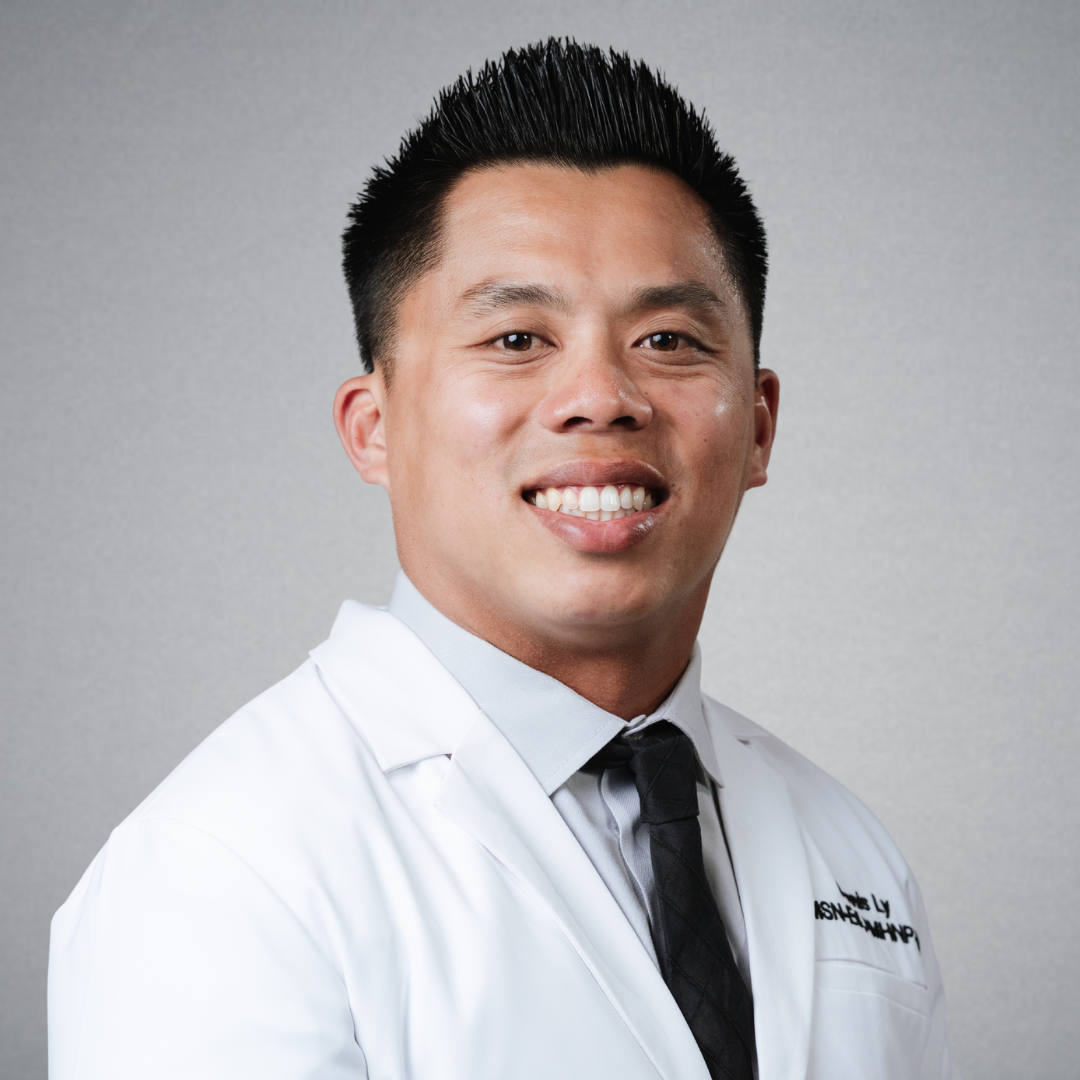
Dennis Ly Psychiatric Mental Health Nurse Practitioner-BC

Dennis Ly

Psychiatric Mental Health Nurse Practitioner-BC

Dennis Ly is a Board-Certified Psychiatric-Mental Health Nurse Practitioner dedicated to delivering compassionate, evidence-based, and holistic care. With eight years of nursing experience in emergency medicine, Dennis gained extensive experience working with patients in acute crisis, including those with psychiatric and behavioral health needs. These experiences fostered his passion for mental health and shaped his ability to remain calm, empathetic, and collaborative when supporting patients during their most vulnerable moments.

He earned his Master of Science in Nursing from Capella University and completed his Post-Master’s PMHNP certificate at National University, where he received advanced training in psychiatric assessment, psychopharmacology, and therapeutic interventions for children, adults, and geriatric patients. His clinical focus includes the treatment of anxiety, depression, bipolar disorder, schizophrenia, and ADHD.

In addition to medication management, Dennis integrates therapeutic modalities such as cognitive behavioral therapy (CBT), motivational interviewing, and patient-centered therapy into his practice, tailoring care to each individual’s goals and values. He approaches treatment with a holistic and collaborative philosophy, meeting patients where they are and empowering them to build resilience through personalized care.

Outside of work, Dennis enjoys exercising, eating sushi and Korean BBQ, and traveling.

Leemarie Lewis

Psychiatric-Mental Health Nurse Practitioner-BC

Leemarie Lewis is a Board-Certified Psychiatric Mental Health Nurse Practitioner with over six years of experience in emergency medicine, community health, and psychiatric care. She earned her Master of Science in Nursing from West Coast University, where she completed focused training in psychiatric assessment, psychopharmacology, and evidence-based therapeutic modalities across the lifespan. Her clinical interests include the treatment of anxiety, mood disorders, ADHD, OCD, trauma-related conditions, and substance use disorders.
She began her healthcare career at UCLA Health as a nursing assistant, where she frequently served as a one-to-one observer for patients in acute psychiatric crisis. This experience sparked her deep interest in mental health. She went on to provide care for unhoused individuals in Los Angeles, supporting both physical and psychiatric needs while advocating for underserved populations. Much of her clinical background was spent as an emergency department nurse at a Level 1 trauma and county facility, where she gained valuable experience managing complex psychiatric and medical emergencies with empathy and precision.
Leemarie is committed to delivering equitable, inclusive, and culturally responsive care. She emphasizes the importance of creating a collaborative, patient-centered environment where individuals feel heard, supported, and empowered in their mental health journey. She integrates preventive care, patient education, and individualized treatment planning into her practice.
Outside of work, Leemarie enjoys staying active, practicing self-care, and spending time with family and friends. She also loves traveling and trying new experiences that bring joy and balance to her life.

Vivienne Peng

Psychiatric-Mental Health Nurse Practitioner-BC (Fluent in Mandarin Chinese)

Vivienne Peng is a board certified Psychiatric-Mental Health Nurse Practitioner with over 10 years of nursing experience working in the mental health field. Fluent in both English and Mandarin Chinese, she brings a culturally responsive, person-centered care that honors each individual’s unique background and walks of life.

Vivienne’s clinical expertise spans crisis de-escalation, therapeutic communication, and evidence-based treatment modalities. She draws on a mix of techniques such as psychotherapy-based interventions, integrative care models, medication management, psychoeducation, and complimentary approaches in her care. She has worked with individuals ages 6 and above across a variety of settings. She supports individuals with mental health challenges including depression, anxiety, mood disorders, PTSD, Schizophrenia, and more. She is committed to provide compassionate, empathetic, individual-focused care, always meeting individuals where they are with respect, authenticity, and clinical skills.
Vivienne’s Practice emphasizes on creating a safe and judgement free environment where individuals feel supported and empowered on their mental health journey towards healing and growth. Drawing from the foundation of nursing, trauma-informed, and holistic care, Vivienne collaborates with individuals to develop personalized treatment plans grounded in current research, best practices, and the individual’s own goals and values.

Outside of work, Vivienne enjoys traveling, discovering new restaurants, watching movies and visiting museums. She genuinely enjoys meeting new people and feels inspired everyday by the strength and resilience of those she serves.

Dr. Grawert

Psychiatrist

Dr. Lauren Grawert is a double board-certified psychiatrist with the American Board of Psychiatry and Neurology and Addition Psychiatry. She is an integral part of the team of Supervising Psychiatrists for our Psychiatric-Mental Health Nurse Practitioners here at Orange Coast Psychiatry.
In previous roles, Dr. Lauren Grawert was the founder of LHG Telemedicine LLC, as well as Chief of Psychiatry (Northern Virginia) for the Mid-Atlantic Permanente Medical Group; she has also worked in private practice specializing in general psychiatry, substance use disorders, and medically assisted treatment (MAT). Dr. Grawert has served as an expert for the San Diego Community Response to Drug Overdose Task Force; the Addiction subcommittee leader for Kaiser Permanente National Mental Health & Addiction Leadership Organization; and a Professor of Psychiatry at Penn State College of Medicine. She received her medical and psychiatric training at Medical University of South Carolina.
Dr. Grawert is also experienced with a variety of behavioral healthcare models through both private practice and leadership roles at Kaiser Permanente and other organizations.

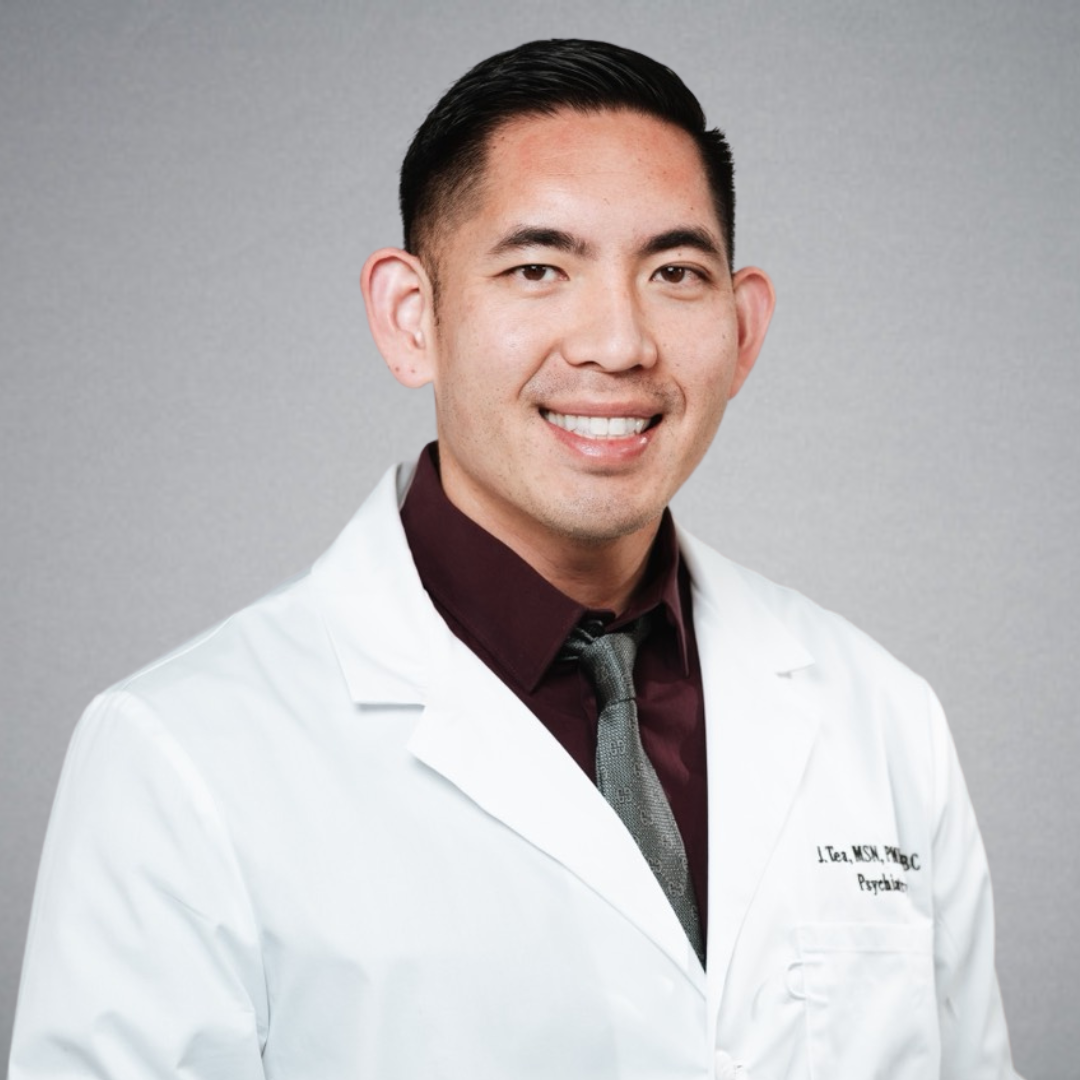
Jackson Tea

MSN, PMHNP-BC

Administrative Director and Psychiatric Mental Health Nurse Practitioner

Jackson Tea, MSN, PMHNP-BC, serves as the Administrative Director and a board-certified Psychiatric Mental Health Nurse Practitioner (PMHNP-BC) at Orange Coast Psychiatry. Dedicated to breaking the stigma surrounding mental health, Jackson is passionate about providing compassionate, evidence-based care that empowers individuals to take charge of their mental well-being. His expertise includes comprehensive psychiatric assessments, personalized medication management, and behavioral health interventions designed to help patients achieve the best possible outcomes in their mental health journey.
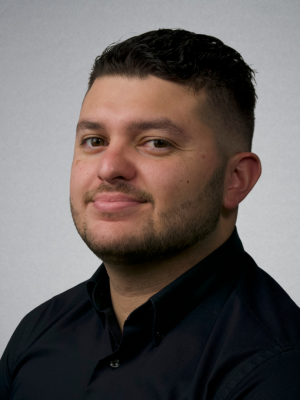
Jackson’s approach to care is rooted in the belief that mental health is just as vital as physical health. He focuses on creating a supportive, judgment-free environment where patients feel heard, valued, and understood. By offering individualized treatment plans tailored to each person’s unique needs and goals, Jackson helps clients overcome obstacles such as anxiety, depression, mood disorders, and other mental health challenges.
He holds a Post-Master’s Certificate as a Psychiatric Mental Health Nurse Practitioner from National University, a Master of Science in Nursing in Nursing Administration from the University of Phoenix, and a Bachelor of Science in Nursing from California State University, Los Angeles, where he earned Dean’s List honors. As a member of the Sigma Theta Tau Honor Society of Nursing, Jackson remains committed to advancing mental health awareness and promoting high standards of care in the field.
In his role at Orange Coast Psychiatry, Jackson leads clinical operations while ensuring regulatory compliance and delivering high-quality care. His core competencies include psychiatric assessment, evidence-based interventions, crisis management, clinical leadership, and risk mitigation. Above all, Jackson strives to make mental health care accessible and effective for everyone, supporting individuals in making meaningful progress, improving their quality of life, and achieving lasting well-being.

May Faustino

Psychiatric-Mental Health Nurse Practitioner-BC

May Faustino, PMHNP-BC, is a compassionate and highly skilled psychiatric provider with over four years of nursing experience, including three years specializing in psychiatric care. She holds a Master of Science in Nursing from West Coast University, where she received extensive training in managing the psychiatric needs of pediatric, adult, and geriatric populations, as well as providing therapy and counseling services.
May has worked in diverse mental health settings, including forensic psychiatry at the Department of State Hospitals and behavioral health services at Aliso Ridge Behavioral Health. Her clinical expertise spans psychiatric assessments, medication management, and trauma-informed care, with a strong focus on treating anxiety, depression, and trauma-related disorders.
Bilingual in English and Tagalog, May is dedicated to serving diverse patient populations with a culturally sensitive approach. She is trained in evidence-based therapeutic modalities such as cognitive behavioral therapy (CBT) and motivational interviewing and is well-versed in trauma-informed care and suicide prevention strategies.
May is passionate about promoting resilience and recovery through preventive mental health care and individualized, holistic treatment plans. Her commitment to excellence is reflected in her memberships in the American Psychiatric Nurses Association and Sigma Theta Tau International Honor Society of Nursing.
In her personal time, May enjoys fostering mindfulness and well-being through activities she loves, such as spending time with her husband and their two beloved cats, Pippy and Eva.

Dr. Montgomery

M.D. – Psychiatrist

Dr. Torri Montgomery, M.D., is a board-certified psychiatrist with the American Board of Psychiatry and Neurology, with a subspecialty board certification in forensic psychiatry. Dr. Montgomery is an integral part of our Management Team as a Psychiatrist and Supervising Psychiatrist for our Psychiatric-Mental Health Nurse Practitioners here at Orange Coast psychiatry.
Dr. Montgomery earned her Bachelor of Science (Magna Cum Laude) from Arizona State University and her Doctor of Medicine (M.D.) from The University of Arizona, College of Medicine. She completed her psychiatry residency at Los Angeles County Harbor-UCLA Medical Center. During her psychiatry residency, Dr. Montgomery completed a year-long certification in Electro-Convulsive Therapy (ECT), earned a certificate from the Drug Enforcement Agency (DEA) to prescribe medication for the treatment of substance use disorders, and worked in a Medication Assisted Treatment (MAT) clinic for substance use disorders. Additionally, she was appointed Chief Resident and received an Excellence in Teaching award.
After psychiatry residency, she completed her Forensic Psychiatry Fellowship at the University of Southern California, Keck School of Medicine. After completing her fellowship, Dr. Montgomery has worked in public psychiatry for the Los Angeles County Department of Health Services. She teaches, consults, and treats individuals with depressive disorders, anxiety disorders, trauma-related disorders, and serious mental illness (SMI), such as schizophrenia spectrum and bipolar disorders. Her experience includes outpatient, inpatient, emergency, consult liaison, addiction, dual-diagnosis, and forensic psychiatry. She is an expert evaluator on the Superior Court of California Panel of Expert Psychiatrists and Psychologists. Dr. Montgomery is an attending physician for the Harbor-UCLA Department of Psychiatry and serves as a psychiatrist with Orange Coast psychiatry.

Dr. Ravi

M.D. – Psychiatrist

Dr. Dave Ravi, M.D., is a Board Certified Psychiatrist with additional qualifications in geriatric psychiatry. Dr. Ravi is an integral part of our Management Team as a Psychiatrist and Supervising Psychiatrist for our Psychiatric-Mental Health Nurse Practitioners here at Orange Coast psychiatry.
Dr. Ravi graduated from Virginia Commonwealth University (B.S., Magna Cum Laude), VCU School of Medicine (M.D.), Dartmouth Hitchcock Medical Center (Residency in Psychiatry), and John. A. Burns School of Medicine (Fellowship in Geriatric Psychiatry). He currently is a clinical assistant professor of psychiatry at John A. Burns School of Medicine in Honolulu, HI and serves as a psychiatrist with Orange Coast psychiatry.
Dr. Ravi is a dedicated community psychiatrist with extensive experience in public, correctional, inpatient and outpatient settings, and an experienced tele-psychiatrist. He consults on topics in general psychiatry, including quality improvement, treatment planning, and crisis management, and in correctional psychiatry, including recovery-oriented treatment for individuals with serious mental illness and dual diagnosis. His current and future interests focus on understanding the various approaches in managing the suffering and disturbance of complex psychiatric disorders, particularly in the use, misuse, overuse, and misrepresentation of psychotropic medications.

Dr. Irwin

M.D. , Ph.D – Psychiatrist

Dr. Scott Irwin, M.D., Ph.D., is Board Certified Psychiatrist. Dr. Irwin is an integral part of our Management Team as a Psychiatrist and Supervising Psychiatrist for our Psychiatric-Mental Health Nurse Practitioners here at Orange Coast psychiatry.
His career mostly focuses on improving outcomes for those with cancer or other progressive, potentially life-limiting illnesses, and their families, through leading-edge clinical services, ongoing research, as well as program development, improvement, and implementation.
He is widely published, has been recognized at many levels for his research, teaching, consulting, and clinical endeavors, and has received research funding from the NCI, NIMH, the National Palliative Care Research Center, the Archstone Foundation, and industry.
Dr. Irwin earned his Bachelor of Science from the University of California, Los Angeles, and both his MD and PhD (neuroscience) at the University of Illinois, Urbana-Champaign. He successfully completed his psychiatry residency at UC San Diego as chief resident of Outpatient Psychiatric Services, as well as a two-year elective in hospice and palliative care at San Diego Hospice and The Institute for Palliative Medicine. He is a diplomate of the American Board of Psychiatry and Neurology, with subspecialty certification in psychosomatic medicine.

Richard Samedra.

Psychiatric-Mental Health Nurse Practitioner-BC

Richard Samedra, PMHNP-BC, is a Board Certified Psychiatric-Mental Health Nurse Practitioner. He brings over 12 years of experience in the mental health field, working with clients facing a wide range of acute and chronic mental health conditions. His journey began as a Licensed Vocational Nurse and Charge Nurse at Westminster Therapeutic Residential Treatment, where he supported clients dealing with anxiety, depression, schizophrenia, bipolar disorder, and substance use disorders. Richard’s dedication was centered on helping these individuals improve their mental health and transition to a lower level of care, whether that meant returning to their families, a board and care facility, or a sober-living environment.
Motivated by a growing passion for mental health care, Richard pursued his Registered Nurse (RN) education at Saddleback Community College and later transitioned to La Palma Intercommunity Hospital Behavioral Health. In this role, he specialized in geriatric psychiatry, working with older adults experiencing conditions such as Parkinson’s disease, dementia, depression, and anxiety. This experience solidified his commitment to mental health, leading him to work at Bellflower Community Hospital, where he provided care for patients experiencing severe psychiatric crises, including suicidal ideation, manic and depressive episodes, substance use disorders, and exacerbated schizophrenia symptoms.
Inspired by the impactful work of PMHNPs at Bellflower, Richard enrolled in the Psychiatric-Mental Health Nurse Practitioner program at Azusa Pacific University. To broaden his expertise, he worked full-time at College Hospital Costa Mesa while completing his studies. There, he gained comprehensive experience across various units, including adolescent, acute men’s and women’s, stabilization, and detox/med-surg. Now, as a PMHNP, Richard is committed to leveraging his diverse background and knowledge to provide compassionate, comprehensive care to those in need.
Richard currently practices as a Nurse Psychiatric-Mental Health Nurse Practitioner at Orange Coast Psychiatry, where he is supervised by Dr. Montgomery.

Shaheena Gazipura

Psychiatric-Mental Health Nurse Practitioner-BC

Shaheena Gazipura is a board-certified Psychiatric Mental Health Nurse Practitioner (PMHNP-BC) with over 9 years of dedicated experience in both inpatient and outpatient mental health care. She earned her Master of Science in Nursing from Western University of Health Sciences in Pomona, California.
Shaheena began her career working on an adult psychiatric inpatient unit before transitioning to the geriatric psychiatric inpatient unit at USC Verdugo Hills Hospital. In addition to her clinical work, Shaheena also serves as a Nursing Clinical Instructor, guiding the next generation of nurses through their mental health rotations at a large community college.
Shaheena is a passionate advocate for mental health, believing that it is a fundamental pillar of overall well-being. She is committed to reducing the stigma surrounding mental illness and strives to provide comprehensive, compassionate care that honors each individual’s unique experiences and challenges. Her goal is to create a supportive, nonjudgmental environment where patients feel empowered to work alongside her in achieving their mental health goals.
Outside of her professional life, Shaheena enjoys exploring new culinary experiences, staying active through exercise, and planning her next travel adventures.
Shaheena currently practices as a Nurse Psychiatric-Mental Health Nurse Practitioner at Orange Coast Psychiatry, where she is supervised by Dr. Barrios.

Clint Nacar

Psychiatric-Mental Health Nurse Practitioner -BC

Clint Nacar, PMHNP-BC is a Board Certified Psychiatric-Mental Health Nurse Practitioner. Mr. Nacar graduated from Charles R. Drew University of Medicine and Science. Currently Mr. Nacar works in an inpatient psychiatry unit at a leading academic medical center in Los Angeles, Renewed Mental Health Group, and Orange Coast Psychiatry
Mr. Nacar brings over 7+ years of experience with the mental health population. He works to help patients take control of their mental health through patient education, psychotherapy and medication management. Mr. Nacar’s areas of focus include: Depression, Anxiety, Adjustment Disorder, Bipolar disorder, Attention Deficit Hyperactivity Disorder (ADHD), and Post-Traumatic Stress Disorder (PTSD). Mr. Nacar treats children ages 6+, adolescents, and adults, offering both in-person services and telehealth at Renewed Mental Health Group.
With the collaboration of each patient, Mr. Nacar strives to develop individualized plans of care addressing each patient’s unique situation and concerns. He also encourages each patient to take charge of their mental health through a holistic approach while also employing the latest evidence based practices in treatment.

Clint is one of our most experienced Psychiatric-Mental Health Nurse Practitioners at Orange Coast Psychiatry and is 103NP Licensed in the State of California.

Cristian Cuevas

Psychiatric-Mental Health Nurse Practitioner-BC (Fluent in Spanish)

Cristian Cuevas, PMHNP-BC, is a highly skilled board-certified psychiatric mental health nurse practitioner with over seven years of experience in inpatient psychiatry and mental health.
A California State University Long Beach graduate, Cristian also earned recognition as a board-certified psychiatric mental health registered nurse. With a wealth of expertise in adult psychiatric care across the lifespan, Cristian has successfully diagnosed and treated a diverse range of mental health disorders.
Additionally, his specialized experience in child and adolescent inpatient populations further enhances his ability to provide comprehensive and compassionate mental health care.
Cristian Cuevas is the Lead Nurse Psychiatric-Mental Health Nurse Practitioner at Orange Coast Psychiatry and is supervised by Dr Barrios.

Nicole Leonce

Doctor of Nursing Practice & Psychiatric Mental Health Nurse Practitioner-BC

Nicole Leonce is a Board-Certified Psychiatric-Mental Health Nurse Practitioner with over five years of experience in psychiatry and a strong medical background. She earned her Doctor of Nursing Practice degree from the University of San Francisco and is a proud member of the Sigma Theta Tau International Honor Society of Nursing. Nicole has a special emphasis in Trauma-Informed Care and is deeply committed to providing compassionate, patient-centered, and culturally responsive treatment.

Her clinical expertise includes the diagnosis and management of depression, anxiety, bipolar disorder, trauma-related conditions, ADHD, OCD, substance use disorders, and mood disturbances. She also provides care for individuals navigating grief, life transitions, and relationship stressors. Nicole integrates evidence-based approaches such as psychodynamic therapy, motivational interviewing, and solution-focused techniques, along with medication management, to help her clients achieve balance and emotional well-being.

Nicole believes that every patient’s story deserves to be heard and validated. She strives to create a safe and supportive environment where individuals feel empowered to explore their challenges and reach their full potential.

Outside of her practice, Nicole enjoys reading, traveling, exploring museums, cooking, and dining with friends and family. She also loves spending time with her miniature poodle, Nico.

Dr Barrios

Board-Certified Child and Adolescent Psychiatrist

Dr. Carlos Barrios is a Board-Certified Child and Adolescent Psychiatrist with over two decades of experience in mental health care. His expertise in telepsychiatry has allowed him to serve patients across California and beyond. In his practice, Dr Barrios integrates metabolic and functional methodologies, focusing on guiding patients toward medication independence and emphasizing the connection between physical and mental health.
Outside of his professional life, Dr Barrios is passionate about kettlebell training, which helps him maintain my physical and mental wellness. He cherishes visiting his family in Guatemala, to reconnecting with his cultural roots and rejuvenating his spirit. Dr Barrios is also deeply involved in transcendental meditation and rucking, practices that not only provide him with tranquility but also keep him grounded and connected to nature. These hobbies reflect his commitment to a holistic approach to health, both personally and professionally.