Understand Cyclothymic Disorder in Psychology? A Complete Guide

Understand Cyclothymic Disorder in Psychology? A Complete Guide
Last updated: September 06, 2026 | Written & Reviewed by OCP Team

Cyclothymic disorder, also called Cyclothymia. It is a mood disorder or mental illness like Bipolar Disorder. With this disorder, people experience highs and lows that can become increasingly disturbing. It may develop into a more serious condition known as Bipolar Disorder if not treated on time. 

It is significant to understand hypomania for early intervention and proper treatment. In this guide, you will learn in detail about cyclothymic disorder in psychology, its causes, symptoms, and treatments. 

What is Cyclothymic Disorder?

Cyclothymic disorder is a chronic mood disorder. A person with cyclothymia experiences recurring episodes of hypomania and mild depression. Its symptoms are less severe but still enough to affect your daily life. The intensity of symptoms is less than that of bipolar disorder.

People struggling with cyclothymia often experience:

  • Hypomanic Episodes: Intense energy, activity, irritability, or creativity, a period that often shows up with impulsive behavior.
  • Mild Depressive Episodes: Lower energy, discouraged motivation, or mild sadness, a period that does not happen in major depression.

These mood swings are unpredictable, which creates challenges in relationships, self-care, and work. The exact cause of this disorder is not known, but environmental aspects and genetics can often play a role. Early intervention is significant to control the symptoms for a balanced life.

Additionally, cyclical depression occurs when episodes of depression recur, such as those associated with cyclothymia or seasonally affected symptoms, or persistent depressive disorder. There are evidence-based and therapeutic approaches available to treat these recurring episodes and help manage their underlying patterns. 

What Causes Cyclothymia?

Specifically, the exact cause of cyclothymia is unknown. Although it may be a occur due to combination of a few reasons, such as:

What Causes Cyclothymia

  • This disorder tends to run in families due to genetics.
  • Changes in the brain’s neurobiology or differences in how the brain works.
  • Change in circumstances, such as prolonged stress and any traumatic experience.

Symptoms of Cyclothymia

Cyclothymic disorder symptoms rotate between emotional highs and lows. The highs of cyclothymia symptoms include heightened mood. The lows have mild or moderate depressive symptoms.

Symptoms of Cyclothymia

Symptoms of this disorder are quite similar to those of bipolar I or II disorder. But these are less severe and intense. With this disorder, you can typically function in your daily life, though you are not always well. The unpredictable nature of your mood shifts in this disorder may significantly disturb your life because you never know how you’re going to feel.

Hypomanic Symptoms

Hypomanic symptoms and signs include:

  • Heightened feelings of well-being and happiness (euphoria).
  • Highly optimistic behavior.
  • Blown up self-esteem.
  • Talking more than usual.
  • Poor judgments cause foolish choices and risky behavior.
  • Uncontrolled racing thoughts.
  • Upset or irritated behavior.
  • Excessive physical activity compared to usual.
  • Enhanced drive to achieve goals and perform well.
  • Easily distracted or unable to concentrate.
  • Sleep less or decreased need for sleep.

Depressive Symptoms 

Depressive symptoms and signs may include:

  • Feeling empty, sad, and hopeless.
  • Expressing sadness by weeping.
  • Irritable behavior, especially in teenagers and children.
  • Loss of interest in enjoyable activities.
  • Weight gain or loss.
  • Feeling guilty or unworthy.
  • Problem with sleeping or a disturbed schedule.
  • Restlessness
  • Feeling low and exhausted.
  • Facing problems in concentrating.
  • Suicidal thoughts.

What Triggers Cyclothymic Disorder?

Cyclothymia triggers can be several external and internal factors, such as:

Work pressures, domestic responsibilities, academic pressures, or interpersonal issues create stress, which disrupts the balance in mood regulation among people with this disorder. An acute stressor like breakups, losing jobs, or experiencing any other form of personal loss, is likely to precipitate mood changes.

  • Another factor that triggers this disorder is sleep disturbances. Inadequate sleep or disrupted sleep patterns increase vulnerability towards hypomanic and depressive episodes.
  • Furthermore, seasonal factors, as well as hormonal changes, cause mood swings as well. Some people report having mood swings at a particular point in time each year. Just like in the case of seasonal affective disorder. Besides that, some hormonal changes can affect a person during menstruation, the postpartum period, and menopause.
  • Disruption of routines concerning sleep, diet, and physical activity causes emotional instability. This phenomenon is referred to as social rhythm disruption. It is grounded in the importance of circadian rhythm for our emotions.

Does Trauma Cause Cyclothymic Disorder?

Psychological trauma is associated with overwhelming feelings of discomfort. It can be emotional and physical, due to a severe experience that you don’t know how to deal with. All trauma produces high levels of stress. Research supports this connection, with some studies examining whether experiences from childhood trauma can cause this disorder. When the stress response system was still being developed, traumatic events in life acted as a trigger for some mental health disorders.

A review published in 2020 indicates that adults with bipolar disorder were just over 2.5 times more likely than adults without bipolar disorder to have reported experiencing a traumatic event in childhood.

While the association between trauma and cyclothymic disorder is correlated. It does not imply that being traumatized will always develop into this mental disorder. For example, if an individual is at risk of developing cyclothymic disorder, then exposure to trauma can catalyze evolution. Not everyone who has experienced trauma will develop this disorder.  

Risk Factors for Cyclothymic Disorder

Numerous biological and environmental factors can influence the development of cyclothymia. Genetics has a large relationship to the disorder. People seem to be at a greater risk of developing this disorder if one or more of their family members has been diagnosed with a mood disorder. Some individuals without any prior family history also may have brain chemistry that is unique to that person, which could contribute to them developing cyclothymia later in their life.

Stressful circumstances experienced daily can also negatively influence a patient’s mental health. The same goes for this disorder; when a person experiences one or more instances of trauma, they may have a greater chance of developing.

These circumstances put individuals at risk for developing co-occurring mental conditions. These can be depression, anxiety, or addiction. Moreover, these co-existing conditions can make symptoms worse and be more difficult to identify and treat. 

The Difference Between Bipolar and Cyclothymic Disorder

Cyclothymic disorder is often described as a mild form of bipolar disorder. There are some main differences between cyclothymic and bipolar disorder:

The Difference Between Bipolar and Cyclothymic Disorder

  • The mood shifts are less intense than in bipolar I or II disorder.
  • Fewer depressive episodes that do not include suicidal ideation, unlike bipolar disorder.
  • Usually, hypomanic episodes do not result in severe consequences like hospitalization.

This disorder seems less harmful than bipolar disorder. But it can result in relationship difficulty, reduced stability, and ongoing stress due to its chronic nature. Individuals with this disorder need to establish a sense of emotional equilibrium with the help of the right treatment.

How Does Cyclothymia Disorder Turn into Bipolar Disorder?

Cyclothymic disorder can develop into bipolar disorder when the intensity of mood shifts increases. These severe hypomanic and depressive symptoms meet the diagnostic criteria for Bipolar disorder. Moreover, this progression often occurs over time, increasing severity driven by high stress or lack of proper treatment.  

This is how Cyclothymic Disorder turns into Bipolar:

  • Heightened symptoms of mild hypomanic into severe hypomanic.
  • Depression reaches a severity and turns into a major depressive episode.
  • The stable mood period between episodes has reduced or disappeared.
  • Significant life stressors and trauma can lead to the progression of this disorder into bipolar disorder.
  • Untreated cyclothymia can worsen over time and lead to bipolar disorder.

Cyclothymic Disorder VS Borderline Personality Disorder

Emotional ups and downs are the similarity between cyclothymic disorder and borderline personality disorder (BPD). However, there are fundamental differences between the two. When we talk about cyclothymia, it is a mood disorder on the bipolar spectrum. Contrary to this, BPD is a long-standing thinking, feeling, and relational pattern.

Moreover, the pattern of mood shifts is another huge distinction. With these disorder tendencies, an individual’s emotional ups and downs will last longer. For example, they could stay high and low for several days or weeks and follow a somewhat rhythmic or predictable pattern. The specific environmental triggers for mood shifts are not always apparent at the time of occurrence, and often, they occur unexpectedly. 

Unlike this disorder, mood fluctuations associated with borderline personality disorder (BPD) occur extremely quickly. They result from related stress due to interpersonal interactions. Although the mood changes that occur with BPD are dramatic. They occur as a direct result of an individual feeling badly about themselves based on how others treat them.

Individual identity is another area where cyclothymic disorder and BPD differ. While people with this disorder exhibit emotional instability, they typically experience emotional fluctuations within the framework of a consistent self-concept. In contrast, individuals with BPD frequently experience difficulty establishing their own self-image and value system. They will frequently change values, goals, and appearance as a means of coping with the distress associated with these differences. As a result, identity instability contributes to chaotic interpersonal relationships. Due to this, individuals will frequently devalue marriage or their partner one moment and be idealistic the next moment. 

Treatment for Cyclothymic Disorder

Like other bipolar disorders, cyclothymia can be treated by a combination of medication, psychotherapy, and psychoeducation.

It can be treated through medications such as mood stabilizers like lithium, which help balance high and low energy shifts. Your psychiatrist may also prescribe an antipsychotic, depending on your symptoms. Moreover, antidepressants are not typically used in the treatment of this disorder, unlike other major depressive disorders. Additionally, cognitive behavioral therapy and psychoeducation are effective in treating this mental disorder. 

Cognitive Behavioral Therapy (CBT)

Cognitive-Behavioural Therapy (CBT) for Cyclothymia is an effective and evidence-based psychological treatment. It can help individuals with cyclothymic disorder identify and change their dysfunctional thinking and behaviour patterns. Also, help them develop a more stable and positive mood. This treatment will also help the individual develop skills to manage their stress, recognize their early warning signs, and develop coping strategies to improve their overall quality of life. CBT for this mental disorder may be used alone or in combination with medications or other forms of therapy such as IPSRT.

Main components of CBT for Cytothymic Disorder:

  • Cognitive restructuring is the process of addressing cognitive patterns that cause extreme fluctuations in mood. 
  • Behavioral Regulation helps to establish a consistent daily routine. It minimizes impulse control problems, self-destructive behaviors, and high-risk behaviors. 
  • Mood Tracking can teach patients to be aware of early indications of mood shifts. It identifies potential triggers for those changes and tracks their existing mood patterns. In this way, you can successfully deal with their symptoms proactively. 

Psychoeducation

Psychoeducation is a significant psychiatric intervention to help individuals understand their chronic mood fluctuations. It helps to improve management and prevent progression. It focuses on recognizing mood shifts, triggers, and developing management skills.

Main aspects of psychoeducation for Cyclothymic disorder:

  • Psychoeducation teaches patients about what this disorder is. It helps them to recognize mood shifts, unpredictable milder changes, and other traits.
  • It educates you to keep track of your daily mood swings, life events, and sleep patterns. Moreover, it makes it easy to recognize the warning signs of upcoming mood changes.
  • You will learn how to identify personal stressors and environmental aspects that trigger this mental disorder.
  • It emphasizes stabilizing the daily routine, which is necessary to manage mood shifts.
  • You will learn to develop cognitive behavioral techniques to manage impulsivity and emotional reactivity. 

When to Seek Professional Help

You need professional support when your cyclothymia symptoms persist and worsen. Consult your psychiatrist if symptoms are causing distress, involve risky behaviors, or risk of developing bipolar disorder. Mental health care providers will help you reduce the symptoms through different therapies, medications, and other techniques.

Conclusion

The cyclothymic disorder is a recurrent and usually underdiagnosed mood disorder. It has a notable impact on an individual’s emotions and overall functioning. This mood disorder can negatively affect a person’s ability to interact socially, work productively, and their life in general. So the condition must be detected promptly to help the patient restore emotional stability. A combination of counseling and behavioral therapy, along with lifestyle changes and medications, can effectively manage this disorder and improve patients’ overall functioning.

Are you searching for a reliable mental health treatment option for cyclothymic disorder? Then you are at the right platform. Orange Coast Psychiatry is the leading mental health care provider. Our team of experts is highly qualified in treating every mental health condition effectively. Get in touch with us and achieve mental relief, a stable, and healthy life.


Frequently Asked Questions

While the mood shifts in cyclothymic disorder are less severe than those in bipolar disorder, they can still disrupt your life. Individuals may feel high energy followed by low motivation and sadness episodes. It creates challenges for a relationship, work, or maintaining consistency.

Psychotherapy, such as CBT, is one of the effective options to treat cyclothymia. It focuses on understanding and managing intensity of feelings and behavior. Moreover, in some cases, a combination of therapy and medication is also used to treat its symptoms.

No, this disorder is a chronic condition that requires proper treatment for emotional stability. Without treatment, it can turn into bipolar disorder with severe symptoms.

Yes, the main difference between the two is that the symptoms in cyclothymia are less severe and shorter-lived than those in bipolar disorder.

No, it is difficult to manage this disorder without professional treatment. This condition rarely improves on its own and often turns into bipolar disorder. While the best recommendation is professional treatment like Cognitive Behavioural Therapy (CBT).

Blog Outline

Latest Post
Expertise You can Trust
Our expert mental health care providers give their perspective across a wide range of subjects, current topics, mental health struggles, and services to help you live a better life.

Blog Outline

Frequently Asked Questions

While the mood shifts in cyclothymic disorder are less severe than those in bipolar disorder, they can still disrupt your life. Individuals may feel high energy followed by low motivation and sadness episodes. It creates challenges for a relationship, work, or maintaining consistency.

Psychotherapy, such as CBT, is one of the effective options to treat cyclothymia. It focuses on understanding and managing intensity of feelings and behavior. Moreover, in some cases, a combination of therapy and medication is also used to treat its symptoms.

No, this disorder is a chronic condition that requires proper treatment for emotional stability. Without treatment, it can turn into bipolar disorder with severe symptoms.

Yes, the main difference between the two is that the symptoms in cyclothymia are less severe and shorter-lived than those in bipolar disorder.

No, it is difficult to manage this disorder without professional treatment. This condition rarely improves on its own and often turns into bipolar disorder. While the best recommendation is professional treatment like Cognitive Behavioural Therapy (CBT).

Reference and Footnotes
Latest Post
Factitious Disorder
Factitious Disorder Explained Signs & Treatment 

When someone repeatedly appears ill, seeks frequent medical care, or undergoes numerous tests, it can be difficult to understand what is really happening. The symptoms may seem genuine, while the behavior may be driven by an underlying psychological need. Factitious disorder can be especially challenging to recognize because the person

Read More »
outer image
What Is Autism Spectrum Disorder (ASD)?

Autism spectrum disorder (ASD) is a neurodevelopmental condition that affects how a person communicates, interacts with others, processes sensory information, and responds to the world around them. It is not the same for everyone, as some autistic people may need considerable daily support, while others may communicate fluently, live independently,

Read More »
Online Therapy vs In-Person Therapy Which Is Better
Online Therapy vs In-Person Therapy: Which Is Better?

It’s been more than half a decade since the world of health shifted from traditional visits to online care during the COVID-19 pandemic. This has created a huge demand for online health care, especially in mental and behavioral health. Fast forward to today: one-third of patients currently prefer telehealth care

Read More »
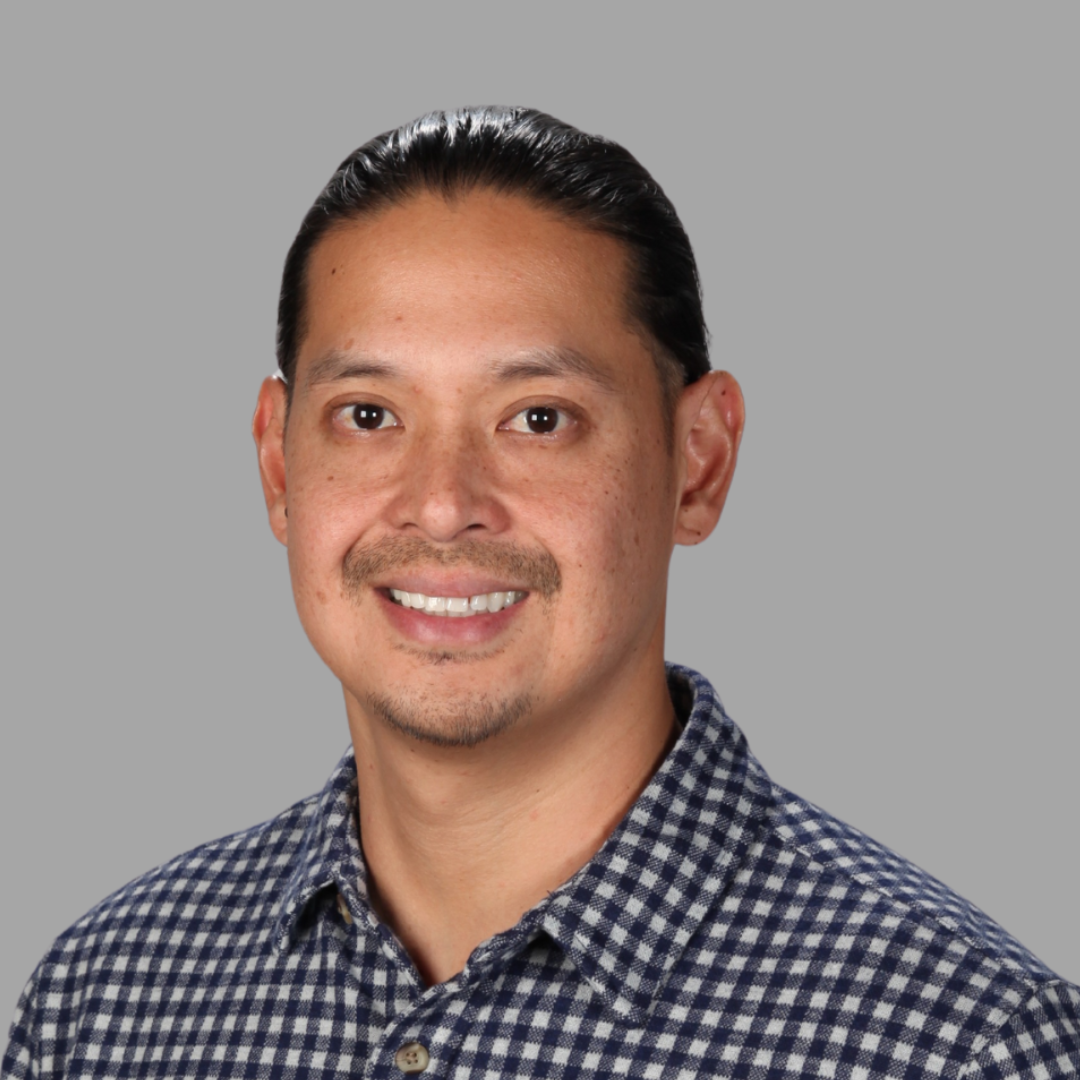
Dennis Ly Psychiatric Mental Health Nurse Practitioner-BC

Dennis Ly

Psychiatric Mental Health Nurse Practitioner-BC

Dennis Ly is a Board-Certified Psychiatric-Mental Health Nurse Practitioner dedicated to delivering compassionate, evidence-based, and holistic care. With eight years of nursing experience in emergency medicine, Dennis gained extensive experience working with patients in acute crisis, including those with psychiatric and behavioral health needs. These experiences fostered his passion for mental health and shaped his ability to remain calm, empathetic, and collaborative when supporting patients during their most vulnerable moments.

He earned his Master of Science in Nursing from Capella University and completed his Post-Master’s PMHNP certificate at National University, where he received advanced training in psychiatric assessment, psychopharmacology, and therapeutic interventions for children, adults, and geriatric patients. His clinical focus includes the treatment of anxiety, depression, bipolar disorder, schizophrenia, and ADHD.

In addition to medication management, Dennis integrates therapeutic modalities such as cognitive behavioral therapy (CBT), motivational interviewing, and patient-centered therapy into his practice, tailoring care to each individual’s goals and values. He approaches treatment with a holistic and collaborative philosophy, meeting patients where they are and empowering them to build resilience through personalized care.

Outside of work, Dennis enjoys exercising, eating sushi and Korean BBQ, and traveling.

Leemarie Lewis

Psychiatric-Mental Health Nurse Practitioner-BC

Leemarie Lewis is a Board-Certified Psychiatric Mental Health Nurse Practitioner with over six years of experience in emergency medicine, community health, and psychiatric care. She earned her Master of Science in Nursing from West Coast University, where she completed focused training in psychiatric assessment, psychopharmacology, and evidence-based therapeutic modalities across the lifespan. Her clinical interests include the treatment of anxiety, mood disorders, ADHD, OCD, trauma-related conditions, and substance use disorders.
She began her healthcare career at UCLA Health as a nursing assistant, where she frequently served as a one-to-one observer for patients in acute psychiatric crisis. This experience sparked her deep interest in mental health. She went on to provide care for unhoused individuals in Los Angeles, supporting both physical and psychiatric needs while advocating for underserved populations. Much of her clinical background was spent as an emergency department nurse at a Level 1 trauma and county facility, where she gained valuable experience managing complex psychiatric and medical emergencies with empathy and precision.
Leemarie is committed to delivering equitable, inclusive, and culturally responsive care. She emphasizes the importance of creating a collaborative, patient-centered environment where individuals feel heard, supported, and empowered in their mental health journey. She integrates preventive care, patient education, and individualized treatment planning into her practice.
Outside of work, Leemarie enjoys staying active, practicing self-care, and spending time with family and friends. She also loves traveling and trying new experiences that bring joy and balance to her life.

Vivienne Peng

Psychiatric-Mental Health Nurse Practitioner-BC (Fluent in Mandarin Chinese)

Vivienne Peng is a board certified Psychiatric-Mental Health Nurse Practitioner with over 10 years of nursing experience working in the mental health field. Fluent in both English and Mandarin Chinese, she brings a culturally responsive, person-centered care that honors each individual’s unique background and walks of life.

Vivienne’s clinical expertise spans crisis de-escalation, therapeutic communication, and evidence-based treatment modalities. She draws on a mix of techniques such as psychotherapy-based interventions, integrative care models, medication management, psychoeducation, and complimentary approaches in her care. She has worked with individuals ages 6 and above across a variety of settings. She supports individuals with mental health challenges including depression, anxiety, mood disorders, PTSD, Schizophrenia, and more. She is committed to provide compassionate, empathetic, individual-focused care, always meeting individuals where they are with respect, authenticity, and clinical skills.
Vivienne’s Practice emphasizes on creating a safe and judgement free environment where individuals feel supported and empowered on their mental health journey towards healing and growth. Drawing from the foundation of nursing, trauma-informed, and holistic care, Vivienne collaborates with individuals to develop personalized treatment plans grounded in current research, best practices, and the individual’s own goals and values.

Outside of work, Vivienne enjoys traveling, discovering new restaurants, watching movies and visiting museums. She genuinely enjoys meeting new people and feels inspired everyday by the strength and resilience of those she serves.

Dr. Grawert

Psychiatrist

Dr. Lauren Grawert is a double board-certified psychiatrist with the American Board of Psychiatry and Neurology and Addition Psychiatry. She is an integral part of the team of Supervising Psychiatrists for our Psychiatric-Mental Health Nurse Practitioners here at Orange Coast Psychiatry.
In previous roles, Dr. Lauren Grawert was the founder of LHG Telemedicine LLC, as well as Chief of Psychiatry (Northern Virginia) for the Mid-Atlantic Permanente Medical Group; she has also worked in private practice specializing in general psychiatry, substance use disorders, and medically assisted treatment (MAT). Dr. Grawert has served as an expert for the San Diego Community Response to Drug Overdose Task Force; the Addiction subcommittee leader for Kaiser Permanente National Mental Health & Addiction Leadership Organization; and a Professor of Psychiatry at Penn State College of Medicine. She received her medical and psychiatric training at Medical University of South Carolina.
Dr. Grawert is also experienced with a variety of behavioral healthcare models through both private practice and leadership roles at Kaiser Permanente and other organizations.

Jackson Tea

MSN, PMHNP-BC

Administrative Director and Psychiatric Mental Health Nurse Practitioner

Jackson Tea, MSN, PMHNP-BC, serves as the Administrative Director and a board-certified Psychiatric Mental Health Nurse Practitioner (PMHNP-BC) at Orange Coast Psychiatry. Dedicated to breaking the stigma surrounding mental health, Jackson is passionate about providing compassionate, evidence-based care that empowers individuals to take charge of their mental well-being. His expertise includes comprehensive psychiatric assessments, personalized medication management, and behavioral health interventions designed to help patients achieve the best possible outcomes in their mental health journey.
Jackson’s approach to care is rooted in the belief that mental health is just as vital as physical health. He focuses on creating a supportive, judgment-free environment where patients feel heard, valued, and understood. By offering individualized treatment plans tailored to each person’s unique needs and goals, Jackson helps clients overcome obstacles such as anxiety, depression, mood disorders, and other mental health challenges.
He holds a Post-Master’s Certificate as a Psychiatric Mental Health Nurse Practitioner from National University, a Master of Science in Nursing in Nursing Administration from the University of Phoenix, and a Bachelor of Science in Nursing from California State University, Los Angeles, where he earned Dean’s List honors. As a member of the Sigma Theta Tau Honor Society of Nursing, Jackson remains committed to advancing mental health awareness and promoting high standards of care in the field.
In his role at Orange Coast Psychiatry, Jackson leads clinical operations while ensuring regulatory compliance and delivering high-quality care. His core competencies include psychiatric assessment, evidence-based interventions, crisis management, clinical leadership, and risk mitigation. Above all, Jackson strives to make mental health care accessible and effective for everyone, supporting individuals in making meaningful progress, improving their quality of life, and achieving lasting well-being.

May Faustino

Psychiatric-Mental Health Nurse Practitioner-BC

May Faustino, PMHNP-BC, is a compassionate and highly skilled psychiatric provider with over four years of nursing experience, including three years specializing in psychiatric care. She holds a Master of Science in Nursing from West Coast University, where she received extensive training in managing the psychiatric needs of pediatric, adult, and geriatric populations, as well as providing therapy and counseling services.
May has worked in diverse mental health settings, including forensic psychiatry at the Department of State Hospitals and behavioral health services at Aliso Ridge Behavioral Health. Her clinical expertise spans psychiatric assessments, medication management, and trauma-informed care, with a strong focus on treating anxiety, depression, and trauma-related disorders.
Bilingual in English and Tagalog, May is dedicated to serving diverse patient populations with a culturally sensitive approach. She is trained in evidence-based therapeutic modalities such as cognitive behavioral therapy (CBT) and motivational interviewing and is well-versed in trauma-informed care and suicide prevention strategies.
May is passionate about promoting resilience and recovery through preventive mental health care and individualized, holistic treatment plans. Her commitment to excellence is reflected in her memberships in the American Psychiatric Nurses Association and Sigma Theta Tau International Honor Society of Nursing.
In her personal time, May enjoys fostering mindfulness and well-being through activities she loves, such as spending time with her husband and their two beloved cats, Pippy and Eva.

Dr. Montgomery

M.D. – Psychiatrist

Dr. Torri Montgomery, M.D., is a board-certified psychiatrist with the American Board of Psychiatry and Neurology, with a subspecialty board certification in forensic psychiatry. Dr. Montgomery is an integral part of our Management Team as a Psychiatrist and Supervising Psychiatrist for our Psychiatric-Mental Health Nurse Practitioners here at Orange Coast psychiatry.
Dr. Montgomery earned her Bachelor of Science (Magna Cum Laude) from Arizona State University and her Doctor of Medicine (M.D.) from The University of Arizona, College of Medicine. She completed her psychiatry residency at Los Angeles County Harbor-UCLA Medical Center. During her psychiatry residency, Dr. Montgomery completed a year-long certification in Electro-Convulsive Therapy (ECT), earned a certificate from the Drug Enforcement Agency (DEA) to prescribe medication for the treatment of substance use disorders, and worked in a Medication Assisted Treatment (MAT) clinic for substance use disorders. Additionally, she was appointed Chief Resident and received an Excellence in Teaching award.
After psychiatry residency, she completed her Forensic Psychiatry Fellowship at the University of Southern California, Keck School of Medicine. After completing her fellowship, Dr. Montgomery has worked in public psychiatry for the Los Angeles County Department of Health Services. She teaches, consults, and treats individuals with depressive disorders, anxiety disorders, trauma-related disorders, and serious mental illness (SMI), such as schizophrenia spectrum and bipolar disorders. Her experience includes outpatient, inpatient, emergency, consult liaison, addiction, dual-diagnosis, and forensic psychiatry. She is an expert evaluator on the Superior Court of California Panel of Expert Psychiatrists and Psychologists. Dr. Montgomery is an attending physician for the Harbor-UCLA Department of Psychiatry and serves as a psychiatrist with Orange Coast psychiatry.

Dr. Ravi

M.D. – Psychiatrist

Dr. Dave Ravi, M.D., is a Board Certified Psychiatrist with additional qualifications in geriatric psychiatry. Dr. Ravi is an integral part of our Management Team as a Psychiatrist and Supervising Psychiatrist for our Psychiatric-Mental Health Nurse Practitioners here at Orange Coast psychiatry.
Dr. Ravi graduated from Virginia Commonwealth University (B.S., Magna Cum Laude), VCU School of Medicine (M.D.), Dartmouth Hitchcock Medical Center (Residency in Psychiatry), and John. A. Burns School of Medicine (Fellowship in Geriatric Psychiatry). He currently is a clinical assistant professor of psychiatry at John A. Burns School of Medicine in Honolulu, HI and serves as a psychiatrist with Orange Coast psychiatry.
Dr. Ravi is a dedicated community psychiatrist with extensive experience in public, correctional, inpatient and outpatient settings, and an experienced tele-psychiatrist. He consults on topics in general psychiatry, including quality improvement, treatment planning, and crisis management, and in correctional psychiatry, including recovery-oriented treatment for individuals with serious mental illness and dual diagnosis. His current and future interests focus on understanding the various approaches in managing the suffering and disturbance of complex psychiatric disorders, particularly in the use, misuse, overuse, and misrepresentation of psychotropic medications.

Dr. Irwin

M.D. , Ph.D – Psychiatrist

Dr. Scott Irwin, M.D., Ph.D., is Board Certified Psychiatrist. Dr. Irwin is an integral part of our Management Team as a Psychiatrist and Supervising Psychiatrist for our Psychiatric-Mental Health Nurse Practitioners here at Orange Coast psychiatry.
His career mostly focuses on improving outcomes for those with cancer or other progressive, potentially life-limiting illnesses, and their families, through leading-edge clinical services, ongoing research, as well as program development, improvement, and implementation.
He is widely published, has been recognized at many levels for his research, teaching, consulting, and clinical endeavors, and has received research funding from the NCI, NIMH, the National Palliative Care Research Center, the Archstone Foundation, and industry.
Dr. Irwin earned his Bachelor of Science from the University of California, Los Angeles, and both his MD and PhD (neuroscience) at the University of Illinois, Urbana-Champaign. He successfully completed his psychiatry residency at UC San Diego as chief resident of Outpatient Psychiatric Services, as well as a two-year elective in hospice and palliative care at San Diego Hospice and The Institute for Palliative Medicine. He is a diplomate of the American Board of Psychiatry and Neurology, with subspecialty certification in psychosomatic medicine.

Richard Samedra.

Psychiatric-Mental Health Nurse Practitioner-BC

Richard Samedra, PMHNP-BC, is a Board Certified Psychiatric-Mental Health Nurse Practitioner. He brings over 12 years of experience in the mental health field, working with clients facing a wide range of acute and chronic mental health conditions. His journey began as a Licensed Vocational Nurse and Charge Nurse at Westminster Therapeutic Residential Treatment, where he supported clients dealing with anxiety, depression, schizophrenia, bipolar disorder, and substance use disorders. Richard’s dedication was centered on helping these individuals improve their mental health and transition to a lower level of care, whether that meant returning to their families, a board and care facility, or a sober-living environment.
Motivated by a growing passion for mental health care, Richard pursued his Registered Nurse (RN) education at Saddleback Community College and later transitioned to La Palma Intercommunity Hospital Behavioral Health. In this role, he specialized in geriatric psychiatry, working with older adults experiencing conditions such as Parkinson’s disease, dementia, depression, and anxiety. This experience solidified his commitment to mental health, leading him to work at Bellflower Community Hospital, where he provided care for patients experiencing severe psychiatric crises, including suicidal ideation, manic and depressive episodes, substance use disorders, and exacerbated schizophrenia symptoms.
Inspired by the impactful work of PMHNPs at Bellflower, Richard enrolled in the Psychiatric-Mental Health Nurse Practitioner program at Azusa Pacific University. To broaden his expertise, he worked full-time at College Hospital Costa Mesa while completing his studies. There, he gained comprehensive experience across various units, including adolescent, acute men’s and women’s, stabilization, and detox/med-surg. Now, as a PMHNP, Richard is committed to leveraging his diverse background and knowledge to provide compassionate, comprehensive care to those in need.
Richard currently practices as a Nurse Psychiatric-Mental Health Nurse Practitioner at Orange Coast Psychiatry, where he is supervised by Dr. Montgomery.

Shaheena Gazipura

Psychiatric-Mental Health Nurse Practitioner-BC

Shaheena Gazipura is a board-certified Psychiatric Mental Health Nurse Practitioner (PMHNP-BC) with over 9 years of dedicated experience in both inpatient and outpatient mental health care. She earned her Master of Science in Nursing from Western University of Health Sciences in Pomona, California.
Shaheena began her career working on an adult psychiatric inpatient unit before transitioning to the geriatric psychiatric inpatient unit at USC Verdugo Hills Hospital. In addition to her clinical work, Shaheena also serves as a Nursing Clinical Instructor, guiding the next generation of nurses through their mental health rotations at a large community college.
Shaheena is a passionate advocate for mental health, believing that it is a fundamental pillar of overall well-being. She is committed to reducing the stigma surrounding mental illness and strives to provide comprehensive, compassionate care that honors each individual’s unique experiences and challenges. Her goal is to create a supportive, nonjudgmental environment where patients feel empowered to work alongside her in achieving their mental health goals.
Outside of her professional life, Shaheena enjoys exploring new culinary experiences, staying active through exercise, and planning her next travel adventures.
Shaheena currently practices as a Nurse Psychiatric-Mental Health Nurse Practitioner at Orange Coast Psychiatry, where she is supervised by Dr. Barrios.

Clint Nacar

Psychiatric-Mental Health Nurse Practitioner -BC

Clint Nacar, PMHNP-BC is a Board Certified Psychiatric-Mental Health Nurse Practitioner. Mr. Nacar graduated from Charles R. Drew University of Medicine and Science. Currently Mr. Nacar works in an inpatient psychiatry unit at a leading academic medical center in Los Angeles, Renewed Mental Health Group, and Orange Coast Psychiatry
Mr. Nacar brings over 7+ years of experience with the mental health population. He works to help patients take control of their mental health through patient education, psychotherapy and medication management. Mr. Nacar’s areas of focus include: Depression, Anxiety, Adjustment Disorder, Bipolar disorder, Attention Deficit Hyperactivity Disorder (ADHD), and Post-Traumatic Stress Disorder (PTSD). Mr. Nacar treats children ages 6+, adolescents, and adults, offering both in-person services and telehealth at Renewed Mental Health Group.
With the collaboration of each patient, Mr. Nacar strives to develop individualized plans of care addressing each patient’s unique situation and concerns. He also encourages each patient to take charge of their mental health through a holistic approach while also employing the latest evidence based practices in treatment.

Clint is one of our most experienced Psychiatric-Mental Health Nurse Practitioners at Orange Coast Psychiatry and is 103NP Licensed in the State of California.

Cristian Cuevas

Psychiatric-Mental Health Nurse Practitioner-BC (Fluent in Spanish)

Cristian Cuevas, PMHNP-BC, is a highly skilled board-certified psychiatric mental health nurse practitioner with over seven years of experience in inpatient psychiatry and mental health.
A California State University Long Beach graduate, Cristian also earned recognition as a board-certified psychiatric mental health registered nurse. With a wealth of expertise in adult psychiatric care across the lifespan, Cristian has successfully diagnosed and treated a diverse range of mental health disorders.
Additionally, his specialized experience in child and adolescent inpatient populations further enhances his ability to provide comprehensive and compassionate mental health care.
Cristian Cuevas is the Lead Nurse Psychiatric-Mental Health Nurse Practitioner at Orange Coast Psychiatry and is supervised by Dr Barrios.

Nicole Leonce

Doctor of Nursing Practice & Psychiatric Mental Health Nurse Practitioner-BC

Nicole Leonce is a Board-Certified Psychiatric-Mental Health Nurse Practitioner with over five years of experience in psychiatry and a strong medical background. She earned her Doctor of Nursing Practice degree from the University of San Francisco and is a proud member of the Sigma Theta Tau International Honor Society of Nursing. Nicole has a special emphasis in Trauma-Informed Care and is deeply committed to providing compassionate, patient-centered, and culturally responsive treatment.

Her clinical expertise includes the diagnosis and management of depression, anxiety, bipolar disorder, trauma-related conditions, ADHD, OCD, substance use disorders, and mood disturbances. She also provides care for individuals navigating grief, life transitions, and relationship stressors. Nicole integrates evidence-based approaches such as psychodynamic therapy, motivational interviewing, and solution-focused techniques, along with medication management, to help her clients achieve balance and emotional well-being.

Nicole believes that every patient’s story deserves to be heard and validated. She strives to create a safe and supportive environment where individuals feel empowered to explore their challenges and reach their full potential.

Outside of her practice, Nicole enjoys reading, traveling, exploring museums, cooking, and dining with friends and family. She also loves spending time with her miniature poodle, Nico.

Dr Barrios

Board-Certified Child and Adolescent Psychiatrist

Dr. Carlos Barrios is a Board-Certified Child and Adolescent Psychiatrist with over two decades of experience in mental health care. His expertise in telepsychiatry has allowed him to serve patients across California and beyond. In his practice, Dr Barrios integrates metabolic and functional methodologies, focusing on guiding patients toward medication independence and emphasizing the connection between physical and mental health.
Outside of his professional life, Dr Barrios is passionate about kettlebell training, which helps him maintain my physical and mental wellness. He cherishes visiting his family in Guatemala, to reconnecting with his cultural roots and rejuvenating his spirit. Dr Barrios is also deeply involved in transcendental meditation and rucking, practices that not only provide him with tranquility but also keep him grounded and connected to nature. These hobbies reflect his commitment to a holistic approach to health, both personally and professionally.